
Preparing for RFA or EVLT: Proven Guide for Maryland Residents
January 23, 2026
A Complete Guide to Varicose Vein Treatment Cost in Maryland
February 24, 2026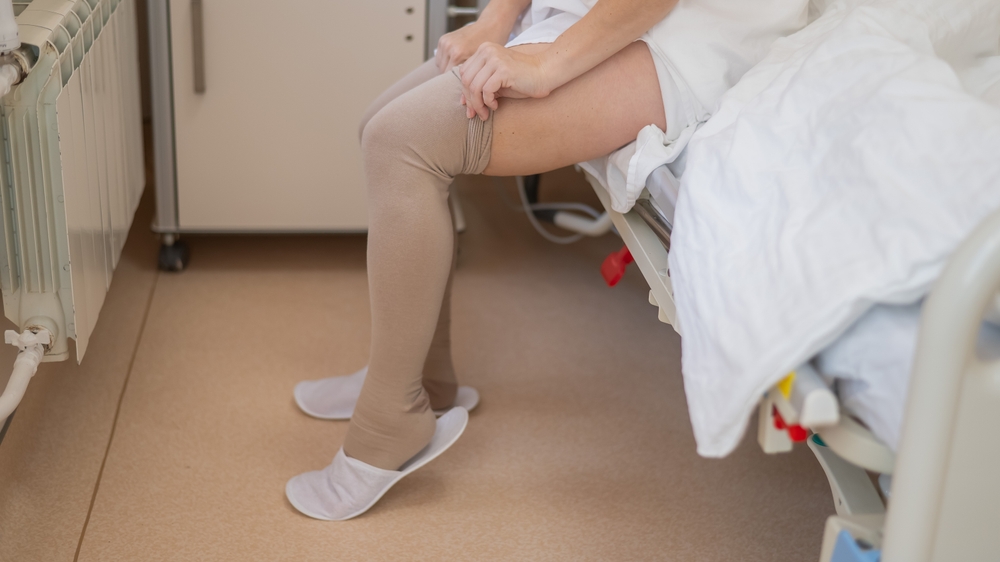
Venous stasis in Maryland is a common but often misunderstood circulation condition that develops when blood does not flow efficiently back to the heart from the legs.
Instead of moving upward through healthy veins, blood pools in the lower extremities. Over time, this pooling increases pressure inside the veins and surrounding tissues, leading to noticeable symptoms and potential complications.
Understanding venous stasis is the first step toward preventing long-term damage and improving leg health.
What Causes Venous Stasis in Maryland?
The most common cause of venous stasis is chronic venous insufficiency. Inside your leg veins are small one-way valves designed to keep blood moving upward.
When these valves weaken or fail, blood flows backward and accumulates in the lower legs.
Several factors can increase your risk of developing venous stasis:
- Prolonged standing or sitting
- Obesity
- Pregnancy
- Family history of vein disease
- Aging
- Prior blood clots
Over time, increased vein pressure leads to inflammation, swelling, and skin changes. Without treatment, the condition may gradually worsen.
Common Symptoms of Venous Stasis in Maryland
Common symptoms of Venous stasis in Maryland often develop slowly. Many patients first notice mild swelling or leg heaviness that worsens throughout the day. As the condition progresses, symptoms may include:
- Persistent swelling in the lower legs or ankles
- Aching, throbbing, or burning sensations
- Skin discoloration around the ankles
- Dry, itchy, or thickened skin
- Visible varicose veins
- Slow-healing sores near the ankles
In advanced cases, venous stasis ulcers can develop. These open wounds occur due to prolonged pressure and reduced oxygen delivery to the skin. Early recognition and treatment are critical to preventing complications.
How Is Venous Stasis Diagnosed?
Diagnosis of venous stasis typically involves a physical examination and a diagnostic ultrasound. Ultrasound imaging allows specialists to evaluate blood flow, detect valve dysfunction, and identify areas where blood is pooling.
This comprehensive evaluation ensures that treatment addresses the root cause rather than just the surface symptoms.
Treatment Options for Venous Stasis
Treatment for venous stasis depends on the severity of the condition. Early stages may be managed conservatively, while more advanced cases may require minimally invasive procedures.
Conservative Management
- Compression stockings to improve circulation
- Leg elevation to reduce swelling
- Regular walking to stimulate blood flow
- Weight management
These strategies can reduce symptoms but may not correct underlying valve failure.
Minimally Invasive Procedures
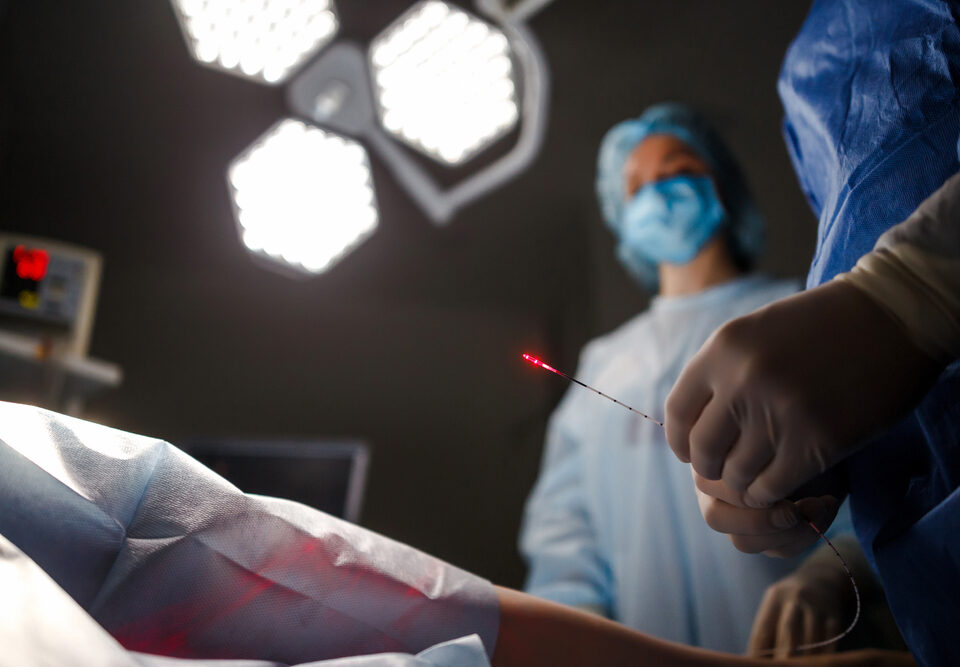
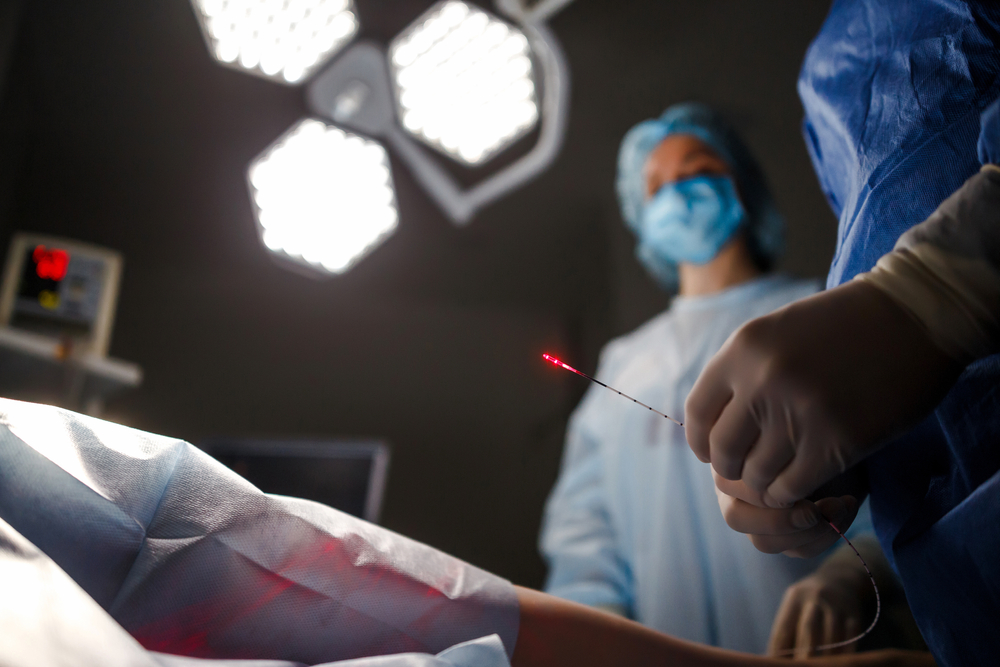
When conservative therapy is not enough, vein procedures may be recommended. Modern treatments include:
These in-office procedures close malfunctioning veins, allowing blood to reroute through healthier pathways. Most patients resume normal activities quickly with minimal downtime.
Can Venous Stasis Be Prevented?
While not every case of venous stasis can be completely prevented, certain lifestyle adjustments may significantly lower your risk. Staying physically active helps keep blood circulating efficiently through the legs.
Avoiding prolonged sitting or standing without movement is especially important. If your job requires long hours in one position, taking short walking breaks can improve venous return.
Maintaining a healthy weight reduces pressure on leg veins, and wearing properly fitted compression stockings may provide added support for those at higher risk. Early attention to mild symptoms can also prevent Venous Stasis from progressing into more serious complications.
Why Early Treatment Matters
Untreated venous stasis can lead to progressive skin damage, chronic swelling, and ulcer formation. Addressing the condition early helps relieve discomfort, protect skin health, and reduce the risk of complications.
If you notice persistent swelling, skin changes, or ongoing leg discomfort, professional evaluation is important.
At Vein Center of Maryland, patients receive comprehensive vein evaluations and advanced minimally invasive treatments tailored to their condition.
Contact us online or give The Vein Center of Maryland a call at 410-970-2314 to schedule your consultation and learn more about effective solutions for Venous Stasis.