

A Step-by-Step Guide to Microphlebectomy in Maryland
January 2, 2026
A Comprehensive Guide to Ambulatory Phlebectomy in Maryland
January 2, 2026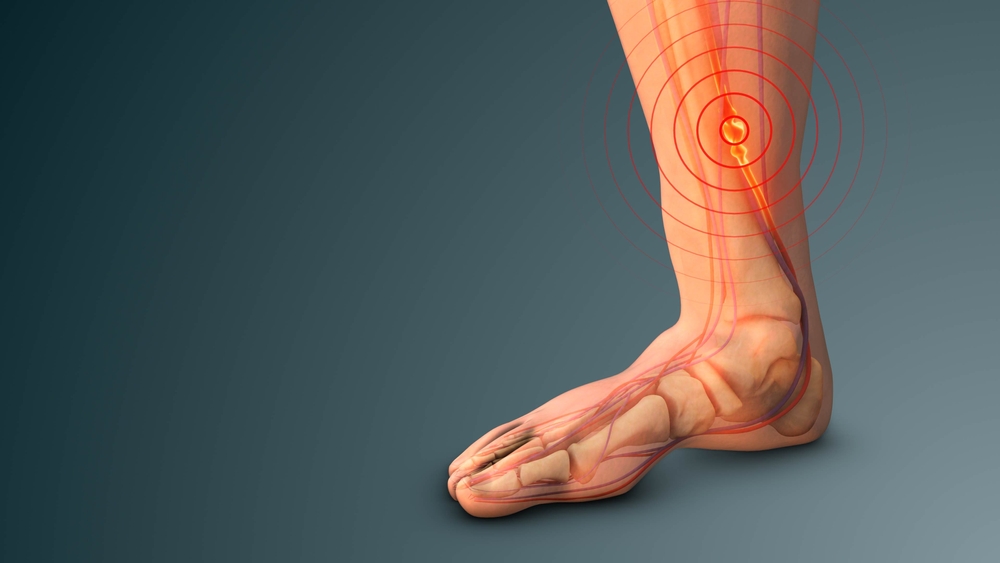
Deep vein thrombosis in Harford County, MD, also commonly referred to as DVT, is a serious condition where a blood clot forms in a vein deep inside the body, usually in the leg. These clots can cause pain, swelling, and tenderness in the affected area.
If left untreated, a DVT can break off and travel through the bloodstream, causing life-threatening problems like a pulmonary embolism.
There are many risk factors for DVT, but fortunately, there are also simple things you can do to help prevent them.
Get Moving
Staying active is one of the best ways to prevent deep vein thrombosis. Walking is a great low-impact exercise that helps blood circulation in the legs and can reduce the risk of DVT.
Even a little bit of movement can help, so if you have to sit or stand for long periods, take breaks to stretch your legs and move around.
Movement is one of the most crucial activities and lifestyle habits in how to prevent deep vein thrombosis in Harford County, Maryland.
Support Good Circulation
In addition to exercise, there are a few other things you can do to promote healthy blood circulation, such as:
- Hydration. Drink plenty of fluids to stay hydrated and keep your blood flowing smoothly.
- Avoid stagnation. Avoid sitting for long periods with your legs crossed, as this can compress the veins and increase the risk of clots.
- Elevation. Elevate your legs when possible to help gravity return blood to your heart.
- Compression. If you are at high risk for DVT, your doctor may recommend compression stockings to help improve circulation.
Stay Healthy
How to prevent deep vein thrombosis in Harford County, Maryland starts with knowing some health conditions and lifestyle choices that can increase the risk of deep vein thrombosis.
Obesity and sedentary lifestyles can put extra pressure on the veins in your legs and lead to clot formation.
Smoking is also a major risk factor for DVT, as it damages the blood vessels and increases the risk of clots.
If you have diabetes, high blood pressure, or high cholesterol, it’s important to work with your doctor to manage these conditions.
A healthy diet and regular exercise can help keep your blood vessels healthy and prevent DVT.
When to Consult with a Doctor for Deep Vein Thrombosis in Harford County, Maryland
If you have risk factors for DVT or are planning a surgery or long trip, talk to your doctor about preventive care measures you can take.
Symptoms of DVT include swelling, warmth, pain, or redness in one leg. If you experience any of these symptoms, see your doctor right away.
With proper care and attention, most cases of DVT can be successfully treated without long-term problems.
Book an Appointment to Learn How to Prevent Deep Vein Thrombosis in Harford County, Maryland!
If you are looking for ways to prevent deep vein thrombosis in Harford County, Maryland, contact our providers today.
We have a team of experienced and friendly staff who will be happy to answer any questions you have and help you get started on your journey to better health.
Contact us online today or give our office a call at 410-970-2314 to schedule an appointment.