
How to Prevent Venous Leg Ulcers in Central Maryland
January 23, 2026
Understanding Venous Stasis in Maryland: Covering Symptoms, Causes & Treatments
February 24, 2026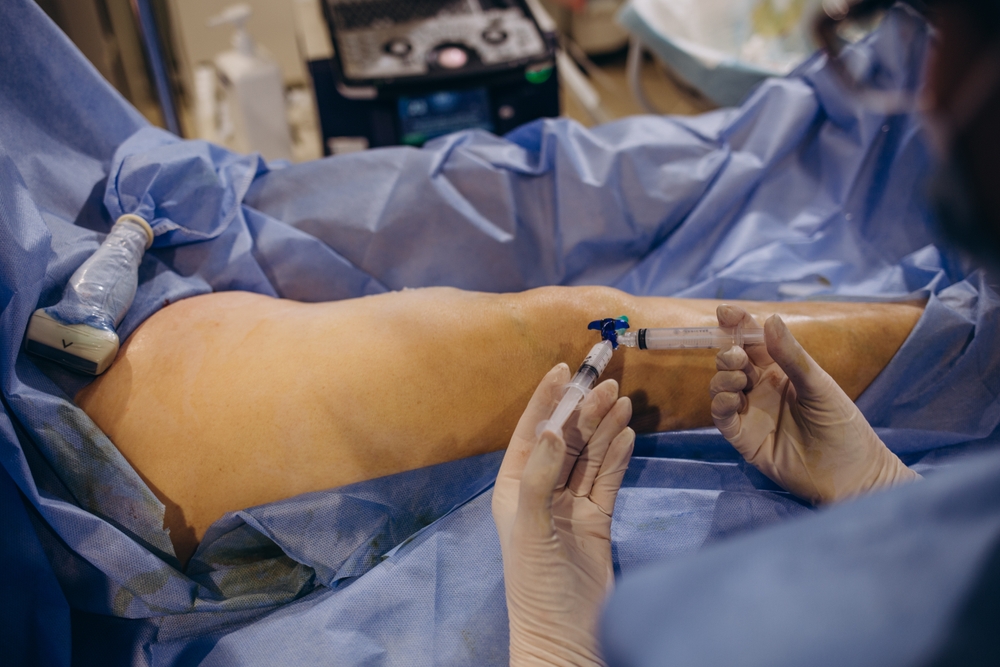
If you have been diagnosed with venous insufficiency, your provider may recommend RFA or EVLT as an effective treatment option. These minimally invasive procedures are designed to close malfunctioning veins and restore healthier circulation. Knowing how to prepare can ease anxiety, support a smooth experience, and help you achieve the best possible outcome.
While both treatments are routine, proper preparation plays an important role in comfort, recovery, and long-term success.
What RFA or EVLT Treats and Why Preparation Matters
RFA or EVLT targets veins that no longer move blood efficiently back to the heart. When valves fail, blood pools in the legs, causing symptoms such as heaviness, swelling, fatigue, cramping, or visible varicose veins. Treating the underlying circulation issue helps relieve symptoms and prevents progression.
Preparation matters because it ensures accurate treatment, minimizes complications, and allows your body to respond optimally. Following pre-procedure instructions also helps providers perform the procedure safely and efficiently.
Steps to Take Before Your Procedure
Before your appointment, you will typically undergo a detailed evaluation including ultrasound imaging to map affected veins. This imaging guides precise treatment planning. You may be advised to stop certain medications prior to your procedure, especially blood thinners or supplements that increase bleeding risk. Always follow your provider’s instructions rather than making changes on your own.
On the day of treatment, wearing loose, comfortable clothing is recommended. Avoid applying lotions, oils, or creams to your legs, as these can interfere with skin preparation. Eating a light meal beforehand is often encouraged, since these procedures are performed under local anesthesia rather than general sedation.
What to Expect During Treatment Day
Both radiofrequency ablation and endovenous laser therapy are performed in an outpatient setting. The affected area is numbed with local anesthetic before a small catheter is inserted into the vein using ultrasound guidance. Heat is then applied to seal the vein, redirecting blood flow to healthier veins nearby.
The procedure typically takes under an hour per leg. Most patients remain awake and comfortable throughout and are able to walk immediately afterward. Understanding the process ahead of time often reduces stress and improves overall experience.
Recovery Planning and Aftercare
After treatment, compression stockings are usually recommended to support healing and improve circulation. Walking is encouraged soon after the procedure to promote blood flow and reduce the risk of complications. Most patients return to normal daily activities quickly, although strenuous exercise may be limited temporarily.
Mild soreness, tightness, or bruising can occur but typically resolves within days to weeks. Staying hydrated, moving regularly, and following aftercare instructions closely supports a smoother recovery.
Questions to Ask Before Your Procedure
Preparing for treatment also means being informed. Asking about recovery timelines, activity restrictions, and follow-up care helps set realistic expectations. Understanding how progress will be monitored ensures confidence moving forward.
Clear communication with your provider allows you to feel prepared and engaged in your care rather than uncertain or rushed.
Preparing mentally is just as important as preparing physically. Understanding each step of the process, expected sensations, and recovery milestones helps reduce anxiety and improves overall satisfaction. Patients who feel informed tend to follow aftercare instructions more closely, leading to smoother healing and more consistent long-term results.
Book RFA or EVLT in Central Maryland at The Vein Center
If you are preparing for RFA or EVLT, The Vein Center of Maryland offers comprehensive evaluations, advanced treatment planning, and clear guidance every step of the way.
To learn more about coverage or schedule a consultation online or give our office a call at 410-970-2314 and take the next step toward healthier circulation.