

The Benefits of Elevating Your Legs for Good Vein Health
November 26, 2025
How to Prevent Deep Vein Thrombosis in Harford County, Maryland
January 2, 2026
A microphlebectomy in Maryland is a common procedure to remove large surface varicose veins through very small openings made in the skin.
This is an outpatient procedure that has been very successful in treating both symptomatic and visible varicose veins that cause cosmetic concerns.
Microphlebectomy is one of several options that may be recommended when veins become swollen, uncomfortable, or an aesthetic concern that has not responded to other methods of care.
Here is a step-by-step guide to microphlebectomy in Maryland and everything you need to know before, during, and after your procedure!
Your Step-by-Step Guide to Microphlebectomy in Maryland
Let’s start at the very beginning, and answer the question, what even is microphlebectomy?
Microphlebectomy treatment is used to address large surface varicose veins. Varicose veins occur just below the skin when weakened valves allow blood to pool, increasing pressure within.
Over time, aching, heaviness, swelling, burning, or distorted vein appearance may result. Surface varicose veins may also create discomfort and interfere with activity or quality of life.
Removing problematic surface veins reduces pressure and improves comfort. Allowing you to return to a more active life, with more youthful looking legs!
Continue reading our step-by-step guide to microphlebectomy in Maryland to see if it’s the right procedure for you.
How Microphlebectomy Works
In short, microphlebectomy is used to remove damaged or dilated veins through very small openings in the skin. Specialized instruments are used to gently pull the vein from the body in sections.
These small openings made during microphlebectomy rarely require stitches, thanks to this minimally invasive technique.
Veins are permanently removed, so blood flow is rerouted through surrounding healthy veins to improve circulation. Removing damaged veins also reduces the overall pressure in the leg.
Preparing for Microphlebectomy
This helpful guide to microphlebectomy in Maryland also walks you through the preparation process for microphlebectomy.
The entire process usually begins with a consultation to discuss symptoms, medical history, and treatment options.
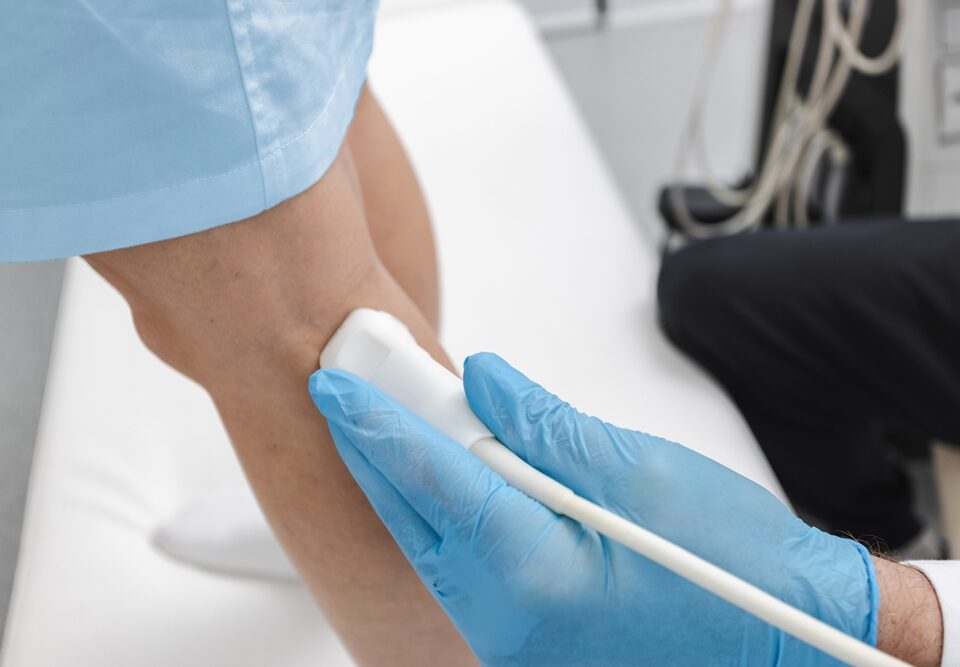
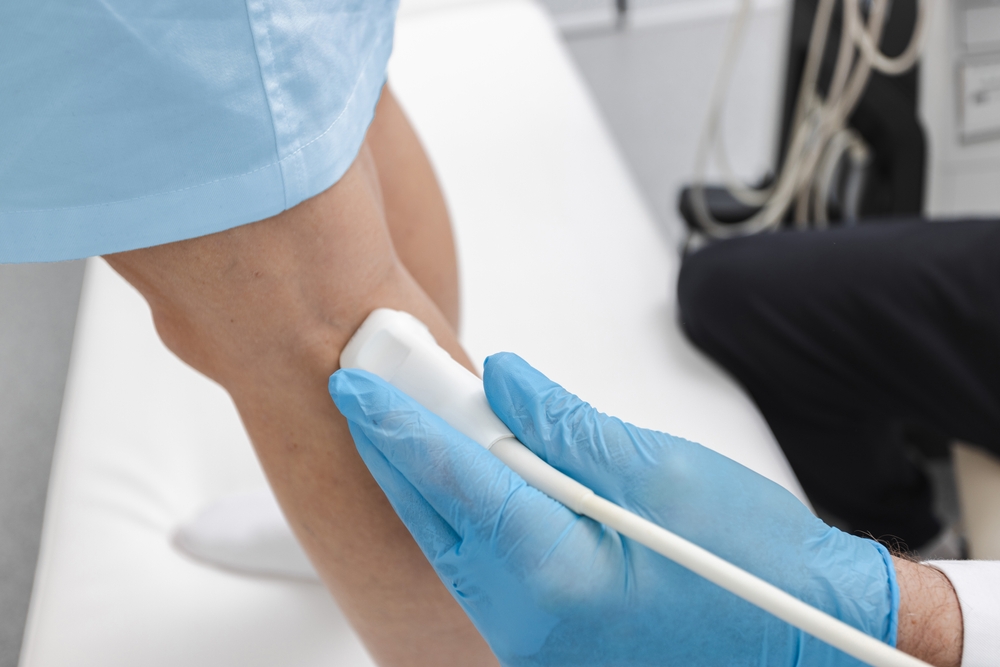
The affected veins are examined while the patient is standing to identify treatment areas with precision. This is important to minimize the risk of complications and maximize safety.
The veins are often imaged to further assist with treatment planning, and any complications that may arise.
Patients may receive instructions to limit certain medications or activities before the procedure. You will carefully plan any changes in medications during your consultation with your provider.
All in all, preparation is typically simple and designed to ensure safety rather than creating unnecessary restrictions.
Administering Anesthesia
Local anesthesia is used to numb the treatment area. The anesthesia will prevent the patient from feeling the majority of sensations in the area during the procedure.
Local anesthesia allows for patients to be awake and alert during the procedure, without any pain or discomfort, and forgo general anesthesia.
Patients typically report little to no sensation while the procedure is being performed.
The Vein Removal Process
Microphlebectomy typically begins after the treatment area has been marked and numbed with anesthesia.
The specialist will create tiny openings along the length of the vein that is going to be removed. The vein will then be carefully extracted in sections using specialized tools.
The entire procedure typically takes less than one hour, although this may vary based on the number of veins being addressed.
Patients are awake throughout the procedure and receive clear instructions. Once the veins have been removed, the very small openings are covered with a bandage or other dressing.
Immediate Aftercare
Compression stockings will be worn immediately after the procedure to support circulation and comfort. Patients are usually able to walk around shortly after the procedure to promote circulation.
It is not unusual to experience mild bruising, swelling, or tenderness following the procedure. These effects are expected and typically last only a short time.
Compression stockings can also be worn long term during the recovery period to help minimize swelling.
Most patients are able to return home on the same day as the procedure. Immediate aftercare is focused on supporting comfort and mobility.
Recovery Timeline: Microphlebectomy in Maryland
Microphlebectomy has a quick recovery time for most patients. Walking and light daily activities may be resumed within one or two days of treatment.
Walking is especially important to promote circulation and support the healing process. Bruising or swelling may last a few weeks and then slowly improve.
Strenuous activities, or prolonged periods of sitting, may be restricted temporarily based on individual guidance.
Managing Pain and Discomfort
Patients often experience only mild, short-lived pain after treatment. Mild pain relief may be prescribed or over-the-counter medications may be sufficient.
There may be soreness or tightness in the treatment area, although this should gradually improve. It is often possible to reduce discomfort by elevating the legs.
Following aftercare instructions and supporting healing will also contribute to comfort. Most patients report steady daily improvement following microphlebectomy.
Microphlebectomy Long Term Results
Patients who receive microphlebectomy in Maryland often experience long term results. The treated veins do not return, since the entire vein is removed.
Patients often report relief from symptoms that were caused by the visible surface veins. This may include improved comfort, mobility, and quality of life.
Patients will also have ongoing access to venous care and support, so new varicose veins may be addressed if they occur in the future.
Follow up vein evaluations will also support vein health and overall circulation long term.
When to Get Vein Evaluation in Maryland
Varicose veins should be evaluated when symptoms impact comfort or activity level. Aching, swelling, or changes in vein appearance that are persistent or worsening are common signs that you need an evaluation.
Early vein evaluation allows for the most effective treatment options to be considered, so treating varicose veins early may help avoid worsening symptoms.
Reading this step-by-step guide to microphlebectomy is the first step in taking charge of your vein and leg health today!
Contact Us Now to Schedule Your Maryland Microphlebectomy
Don’t wait any longer, your vein health directly impacts your overall health and quality of life. Make the call today!
Contact us online or give our office a call at 410-970-2314 to schedule your appointment with our top-rated vein specialists today!