
Why Do My Varicose Veins Burn?
March 31, 2026
Understanding the Cost of Varicose Vein Treatments in Bel Air, MD
March 31, 2026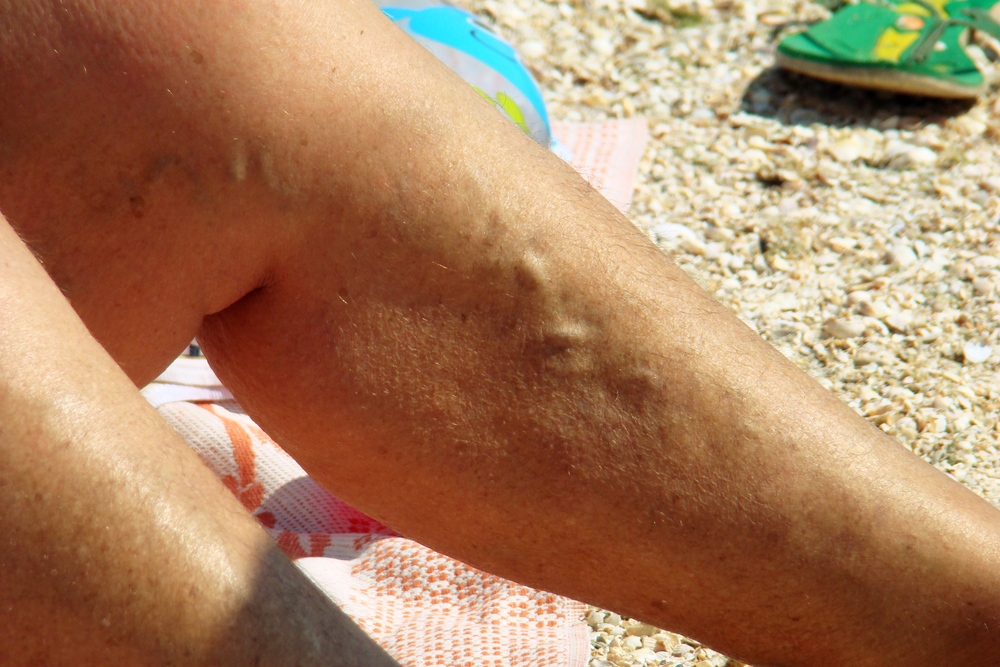
Do your legs feel achy, heavy, or mysteriously tired by the end of the day? If so, there may be an underlying circulation issue, such as varicose veins, causing these symptoms.
Understanding the link between poor circulation and varicose veins can help you detect problems early and seek treatment if necessary.
What is Poor Circulation?
Circulation is your body’s blood delivery system. Blood travels through the veins and arteries to carry oxygen and other nutrients.
In the legs, the process has to fight gravity. Small one-way valves inside the veins push blood upward toward the heart to keep things moving in the right direction.
But, when these valves weaken or stop working properly, blood can move backward and begin pooling in the veins. This slows circulation, which if left untreated, can cause serious issues.
The Link Between Poor Circulation and Varicose Veins
Poor circulation and varicose veins are very closely connected. Veins in the legs use tiny, one-way valves to push blood upwards towards the heart.
When these valves weaken or don’t work as well, blood can flow backward and begin to pool. The increased pressure causes them to twist, stretch, and bulge, making them very noticeable under the skin.
As circulation slows, symptoms begin to appear. Many people experience:
These symptoms are most prominent after long periods of sitting or standing, especially at the end of the day when gravity has been working against blood flow for many hours.
Other factors, such as aging, genetics, excess weight, and pregnancy can all worsen circulation problems, which increases the likelihood of varicose veins.
Are Varicose Veins Treatable?
For some people, varicose veins are purely cosmetic. But for others, these bulging veins cause pain, burning, and other uncomfortable symptoms.
The good news is that modern treatments target underlying circulation problems while also improving the appearance of these veins. Here are some of the most commonly used options.
Sclerotherapy
One of the go-to treatments is sclerotherapy. This procedure uses a specialized solution that’s directly injected into the affected vein.
The solution irritates the vein walls, causing them to collapse and seal. Once the veins are closed, blood naturally reroutes to healthier veins with better circulation.
Sclerotherapy is commonly used for small varicose veins. It requires no surgery, has little downtime, and is highly effective.
Endovenous Laser Therapy (EVLT)
For larger varicose veins, endovenous laser therapy is a popular choice. Your provider will insert a thin laser fiber into the damaged vein to deliver controlled heat.
The heat energy closes the vein from the inside. Blood flow is then redirected to healthier veins, which eases pressure and improves circulation.
This treatment is performed under local anesthesia and usually takes about an hour.
Radiofrequency Ablation (RFA)
Radiofrequency ablation is a minimally invasive treatment that also uses heat to seal off damaged veins. Similar to EVLT, a thin catheter is inserted into the vein to deliver radiofrequency energy that heats the vein walls.
RFA is also performed under local anesthesia and offers immediate relief from pain, swelling, and heaviness.
Lifestyle Habits
Lifestyle habits can also help support healthy circulation. Things like regular movement, wearing compression socks, avoiding long periods of sitting or standing, and drinking plenty of water can keep blood flowing the way it should.
Maintaining a healthy weight can also be quite helpful.
Poor Circulation and Varicose Veins Can Be a Thing of the Past
Understanding the link between poor circulation and varicose veins is the first step towards improving your health. For modern treatments that provide fast results, come to The Vein Center of Maryland.
Call our office at 410-970-2314 to schedule an appointment or contact us online and we’ll get back to you shortly.