
Why Are Veins Suddenly Showing Up on My Legs?
August 24, 2026
Why Do I Have Blue Leg Veins Even Though I’m Healthy?
September 2, 2026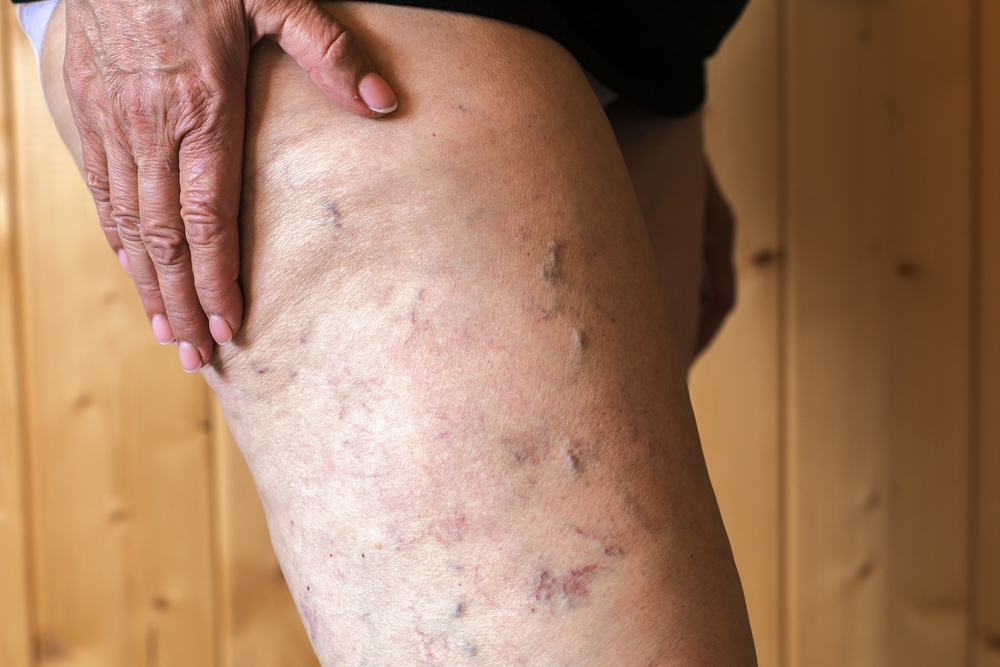
If you’ve noticed your leg veins getting worse as the years go by, your mirror isn’t playing tricks on you. Veins can become more visible, enlarged or uncomfortable with age, even if you never had noticeable vein problems when you were younger.
While a few new spider veins may be mostly cosmetic, worsening varicose veins, swelling or aching can signal changes in how efficiently blood is moving through your legs.
Getting older may be inevitable. Putting up with uncomfortable legs doesn’t have to be.
What Does Aging Have to Do With Your Veins?
Your leg veins have a surprisingly demanding job. They must move blood upward toward your heart while working against gravity. Tiny one-way valves inside the veins help accomplish this by preventing blood from flowing backward.
Like many parts of the body, those valves can become weaker with age. Vein walls may also lose some of their natural elasticity. When the valves don’t close effectively, blood can travel backward and collect inside the veins.
This increased pressure can cause veins to stretch, twist or bulge. Over time, you may notice spider veins, varicose veins or other changes that weren’t there several years ago.
So, while aging doesn’t guarantee vein disease, it can certainly make existing weaknesses more noticeable.
Why Are My Leg Veins Getting Worse Now?
Age may be part of the equation, but it isn’t necessarily the whole story. Genetics can have a major influence on vein health. If your parents or grandparents had prominent varicose veins, you may be more likely to experience them too.
Years spent sitting or standing for extended periods can also take their toll. Teachers, healthcare professionals, office workers, hairstylists and others whose jobs keep them in one position for hours may experience additional pressure within their leg veins.
Pregnancy, hormonal changes and excess weight can contribute as well. These factors can increase pressure on the veins or otherwise contribute to the development of varicose veins, which helps explain why some people don’t notice significant vein problems until later in adulthood.
Basically, your veins have been keeping receipts all these years.
It’s Not Just About What You Can See
Seeing your leg veins getting worse can be frustrating from a cosmetic standpoint, but appearance isn’t the only reason to pay attention.
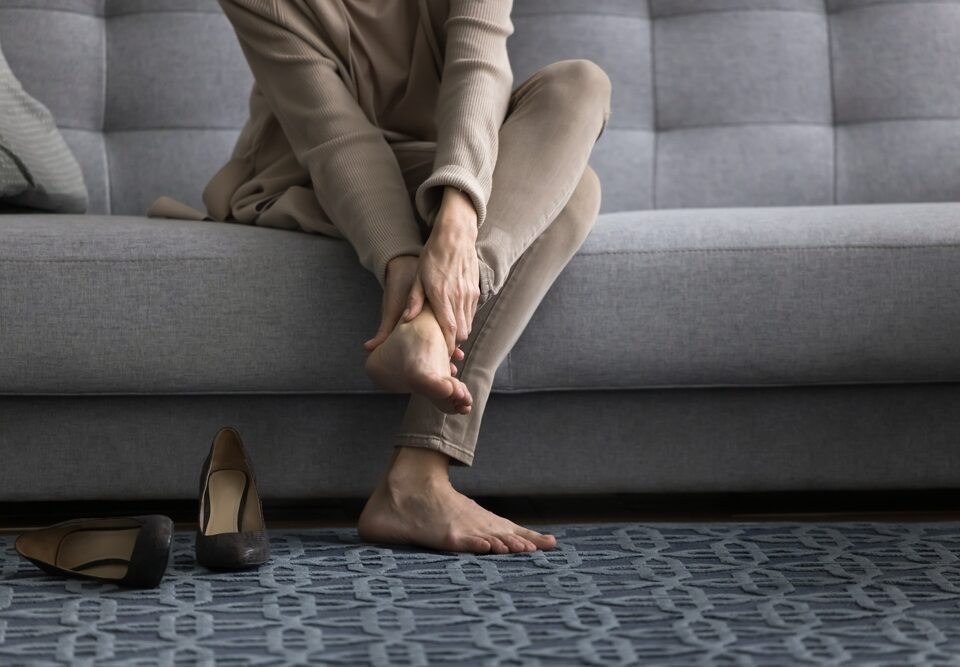
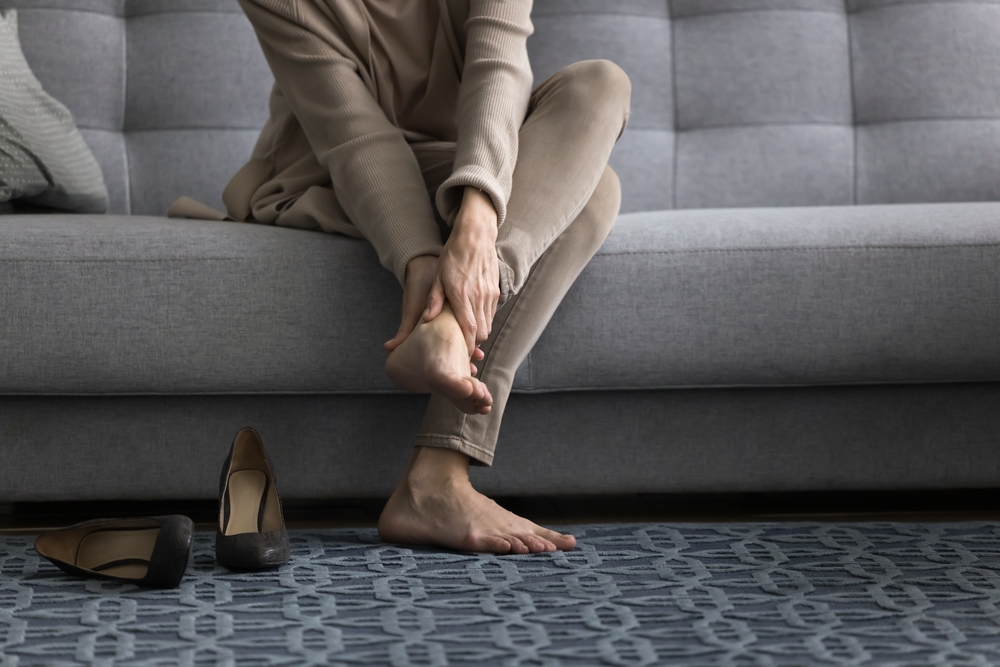
Chronic venous insufficiency occurs when weakened valves make it difficult for blood to travel efficiently back toward the heart. Visible veins may be one sign, but you might also experience aching, heaviness, swelling, throbbing, itching or nighttime leg cramps.
Symptoms may become more noticeable toward the end of the day, particularly after you’ve spent hours sitting or standing. You might also find that your legs feel noticeably better after elevating them.
These changes shouldn’t automatically be dismissed as a normal part of aging.
Can Worsening Vein Problems Cause Complications?
Untreated vein disease can sometimes progress. Persistent pressure within the veins may eventually contribute to increased swelling, skin discoloration or changes in the texture of the skin around the lower legs and ankles.
More advanced venous disease can also lead to slow-healing wounds known as venous ulcers. Varicose veins can sometimes develop blood clots in superficial veins, causing a condition known as superficial thrombophlebitis. More serious symptoms, particularly sudden leg swelling or pain, require prompt medical evaluation.
That doesn’t mean everyone with visible veins will experience complications. It does mean that new or worsening symptoms deserve an evaluation rather than years of hoping they’ll disappear.
Don’t Blame Everything on Getting Older
If you’re noticing your leg veins getting worse, you don’t have to shrug and add them to the list of things you’re supposed to tolerate with age. A professional vein evaluation can determine whether the changes are cosmetic or related to an underlying circulation issue.
Our specialists at The Vein Center of Maryland provide comprehensive evaluations and minimally invasive treatment options designed to improve vein health while relieving symptoms such as aching, swelling and heaviness.
Call 410-970-2314 to speak with a member of our team or contact us online to schedule a consultation and learn what’s really behind the changes you’re seeing in your legs.