

Keep Your Legs Moving When It’s Cold Outside: Indoor Habits That Support Healthy Veins
November 25, 2026
Arterial vs. Venous Leg Disease: How to Tell the Difference and Who to See
November 25, 2026
Your high heels have been blamed for plenty, from sore toes to the fact that you left the wedding barefoot. Varicose veins? That accusation deserves a closer look.
If you’re wondering what really affects your leg veins, pay attention to how long you stay in one position and whether aching or swelling keeps showing up.
The way your veins move blood matters more than how you sit through a staff meeting.
What Really Affects Your Leg Veins?
Your calf muscles help push blood toward your heart when you walk. Tiny valves inside your leg veins help keep it moving in that direction. If those valves weaken, blood can flow backward and pool in the vein.
Over time, that extra pressure can stretch the vein until it becomes one of those raised, twisted varicose veins you can see.
Family history, age and pregnancy can all raise your chances of developing varicose veins. So can spending long stretches sitting or standing.
If your mother and grandmother had them, give yourself a break before blaming the way you sit or what you wear to work. Family history is one clue worth mentioning at a vein visit.
Crossed Legs and High Heels Get Too Much Credit
Go ahead and cross your legs through the meeting. Crossing your legs by itself doesn’t cause varicose veins.
It’s worth changing positions if you’ve been sitting for a while, especially if your calves feel stiff or your legs tend to ache by the time you log off.
Even a quick walk to refill your water gives your calf muscles a chance to work.
Heels have a slightly more complicated case. High heels can limit ankle motion and make your calf muscles less efficient at moving blood back up your legs while you wear them.
That short-term effect doesn’t establish that wearing heels causes varicose veins. If your legs feel heavy after a day in heels, try a supportive, lower pair the next time your plans involve hours on your feet. Save the shoes you have to negotiate with for a shorter outing.
Give Your Calves Something to Do
A standing desk sounds like the perfect answer until you realize you’ve traded sitting still for standing still. Mix it up.
Take a lap between calls, walk over to a coworker’s desk or do a few heel raises if you’re stuck at the counter. On a long drive, stretch your legs when you stop for gas or coffee.
If you have varicose veins, regular walking and putting your feet up when you rest may help ease discomfort and swelling.
The idea is to find opportunities to move that fit your day. Nobody needs to turn a trip to the printer into a fitness event.
When Achy Legs Deserve a Closer Look
If your ankles swell regularly, a vein starts to bulge or your legs feel heavy most evenings, pay attention to the pattern. Notice whether the swelling improves overnight and whether standing through a shift makes the aching worse. Those details can help your physician decide whether to check for venous reflux, the medical term for blood flowing backward through the veins.
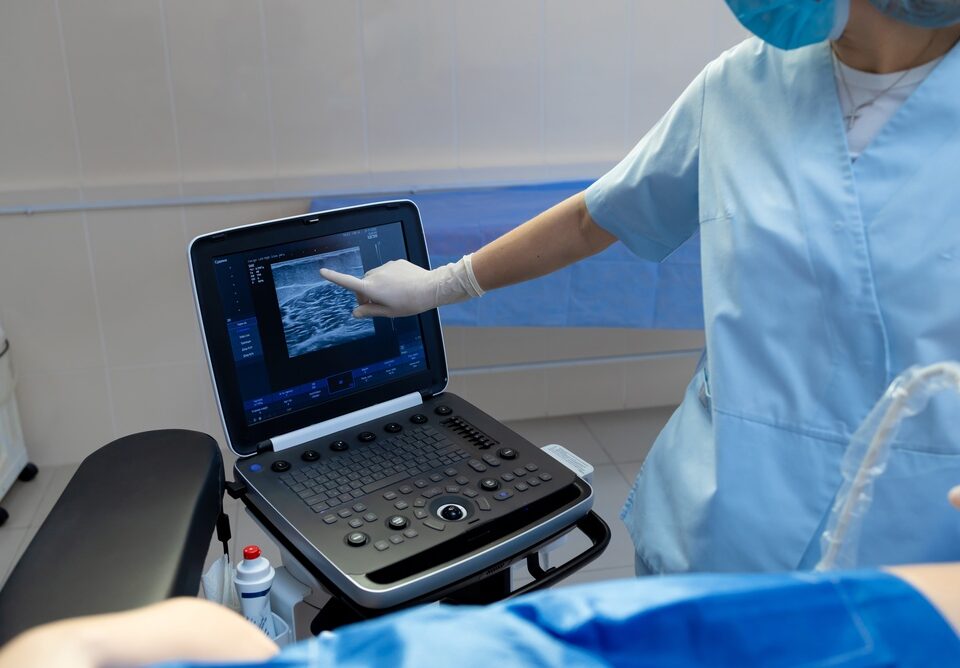
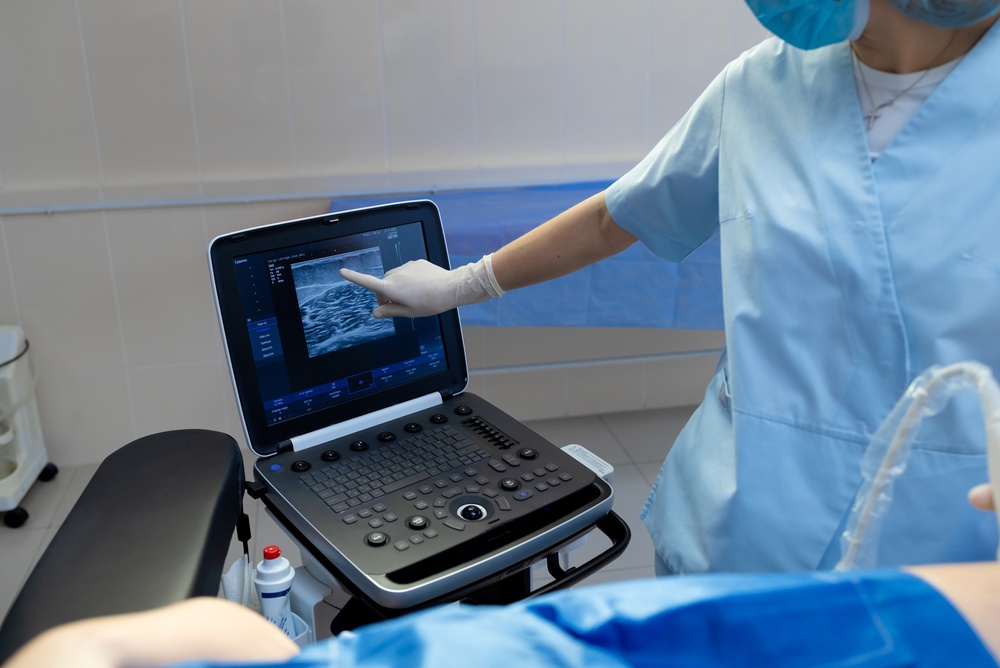
At The Vein Center of Maryland, our physicians use duplex ultrasound to see how blood moves through your leg veins. If a vein is contributing to your symptoms, we can discuss treatment options based on what the scan shows and what’s bothering you most.
Meet with us and tell us what you’ve noticed and when your legs feel their worst so we can help you figure out what’s behind the discomfort.
Contact us online or give our office a call at 410-970-2314 to schedule a vein evaluation.
Discuss your symptoms, ultrasound findings, recovery needs, and insurance questions. The best next step is a recommendation built around your health and daily responsibilities.
Meet Your Vein Specialists: The Vein Center of Maryland
At The Vein Center of Maryland, healthy, pain-free legs begin with dedicated expertise. Our clinical team combines decades of specialized surgical leadership with advanced vascular imaging to deliver comfortable, minimally invasive vein care:
-
Yash Kumar, M.D., F.A.C.S. (Director & Board-Certified Surgeon): Diplomate of the American Board of Surgery and Fellow of the American College of Surgeons (FACS) with over 25 years of specialized experience treating varicose veins and venous disease. Dr. Kumar trained at the All India Institute of Medical Sciences and completed surgical residency at Sinai Hospital in Baltimore. He specializes in state-of-the-art, minimally invasive outpatient procedures—including Laser Venous Ablation, Radiofrequency Closure, Sclerotherapy, and Ambulatory Phlebectomy.
-
Krystal “Kit” Alcott, PA-C, RVT, RPhS (Physician Assistant & Vascular Specialist): Board-certified Physician Assistant holding dual specialized credentials as a Registered Vascular Technologist (RVT) and Registered Phlebology Sonographer (RPhS). A graduate of Nova Southeastern University, Kit has performed thousands of vascular ultrasounds and minimally invasive vein treatments. Beyond clinical care, she actively trains healthcare providers and sonographers nationwide in advanced vascular diagnostics and ultrasound guidance.