

High Heels, Crossed Legs, and Other Habits: What Really Affects Your Leg Veins
November 25, 2026
ClariVein in Westminster, MD: How Non-Thermal Vein Closure Works and Who It Suits
November 25, 2026
Does your calf cramp halfway through a walk and settle when you stop? Or do your legs feel heavier by dinner, with ankles that look puffier than they did in the morning? When it comes to arterial vs. venous leg disease, what brings on your symptoms and what eases them can help your clinician decide where to start. The two conditions can overlap, so it helps to describe the pattern you’ve noticed, even if it varies from day to day.
Arterial vs Venous Leg Disease and How Each Changes Blood Flow
Your arteries carry oxygen-rich blood from your heart to your legs. In peripheral artery disease, or PAD, plaque can narrow those arteries. Your muscles need more oxygen when you move, which is why a walk to the mailbox or up a hill can bring on a cramp or ache in your calf, thigh or buttock. This pattern is called claudication. It often eases within minutes of stopping and returns when you walk again.
Your veins carry blood back toward your heart. When the valves in your leg veins weaken, blood can flow backward and pool. This is called venous reflux. The extra pressure can contribute to bulging varicose veins, ankle swelling and an achy or heavy feeling. Symptoms often build after hours of sitting or standing and may ease when you put your feet up.
What to Notice Before Your Appointment
Pay attention to what you were doing when the discomfort started. If walking brings it on, note how far you can go before you need to stop and how quickly the pain passes. If the problem shows up later in the day, notice whether your shoes feel tighter by evening or whether swelling improves overnight.
Changes you can see matter, too. Brownish discoloration near the ankles can accompany long-standing vein problems. A foot that feels cooler than the other or a sore on a toe that won’t heal can raise concern about arterial blood flow. Sores can occur with either condition and should be checked promptly. Mention your history of blood clots, smoking or diabetes when you’re seen.
Who to See for Arterial or Venous Symptoms
For recurring pain with walking that eases with rest, start with your primary care clinician or a vascular specialist. They may check your foot pulses and order an ankle-brachial index, a test that compares blood pressure at your ankle and arm. If testing suggests PAD, your clinician can discuss care or refer you to a vascular medicine specialist or vascular surgeon.
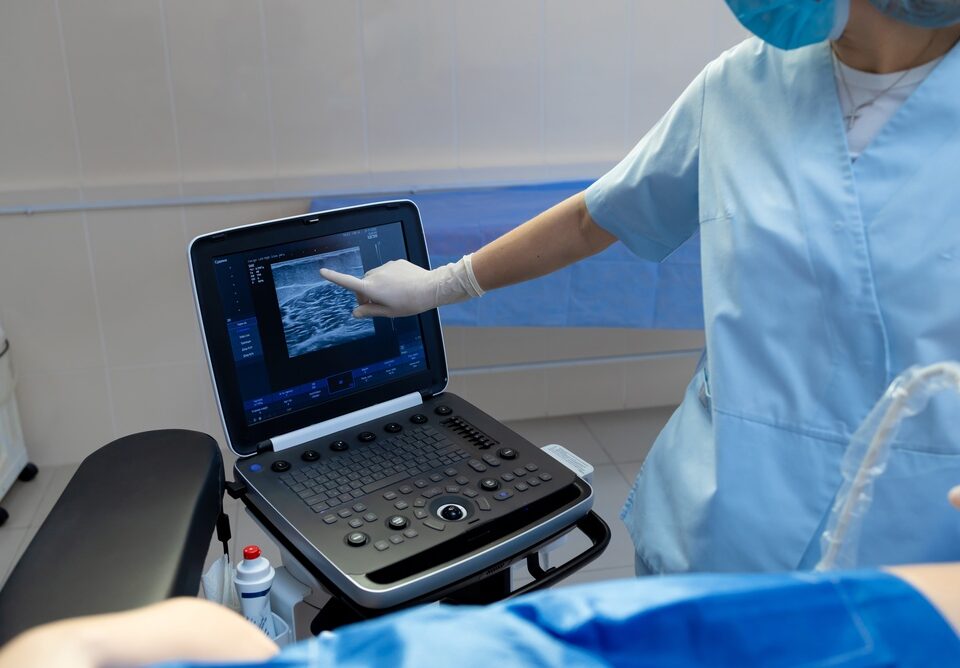
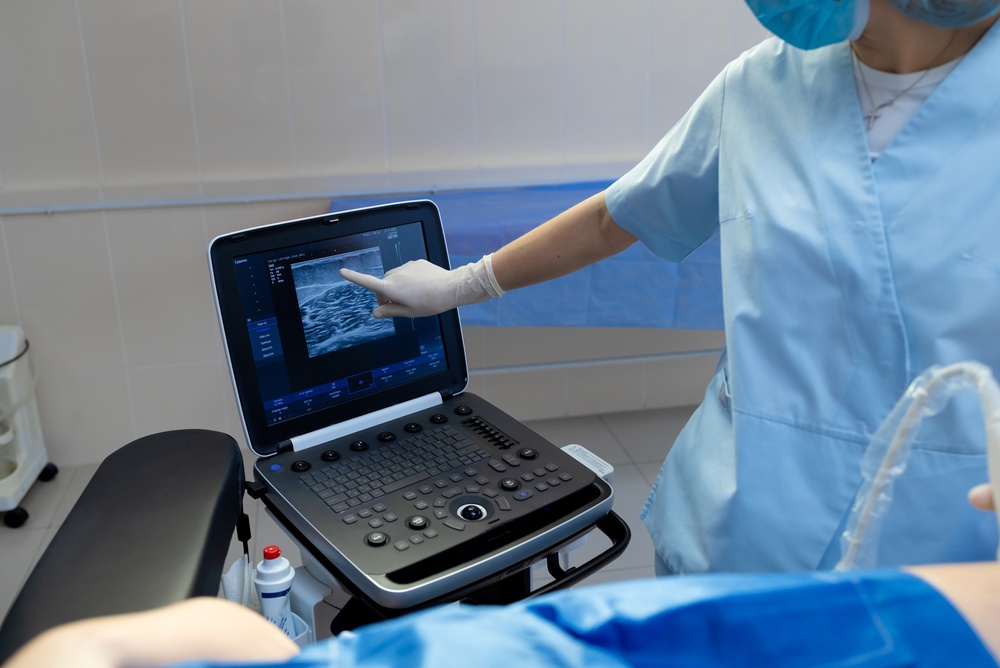
For persistent ankle swelling, leg heaviness or symptomatic varicose veins, a vein specialist can evaluate how well blood returns through your leg veins and if you have arterial vs. venous leg disease. At The Vein Center of Maryland, our physicians use duplex ultrasound to look for backward blood flow and discuss treatment options when a vein problem is contributing to your symptoms. If the pattern is mixed or you’re unsure whom to see, primary care is a good starting point.
When Leg Symptoms Need Immediate Attention
Seek emergency care if a leg or foot suddenly becomes cold, pale, numb or severely painful. Those changes can signal a sudden loss of arterial blood flow. Sudden swelling in one leg, especially with pain or warmth, needs urgent evaluation for a possible blood clot. If that swelling comes with chest pain or shortness of breath, call 911.
If you’ve been putting up with recurring heaviness, swelling or aching around bulging veins, bring notes to your consult on when your symptoms start and what brings relief so we can make the most of your visit.
Contact us online or give our office a call at 410-970-2314 to schedule a vein evaluation.
Meet Your Vein Specialists: The Vein Center of Maryland
At The Vein Center of Maryland, healthy, pain-free legs begin with dedicated expertise. Our clinical team combines decades of specialized surgical leadership with advanced vascular imaging to deliver comfortable, minimally invasive vein care:
-
Yash Kumar, M.D., F.A.C.S. (Director & Board-Certified Surgeon): Diplomate of the American Board of Surgery and Fellow of the American College of Surgeons (FACS) with over 25 years of specialized experience treating varicose veins and venous disease. Dr. Kumar trained at the All India Institute of Medical Sciences and completed surgical residency at Sinai Hospital in Baltimore. He specializes in state-of-the-art, minimally invasive outpatient procedures—including Laser Venous Ablation, Radiofrequency Closure, Sclerotherapy, and Ambulatory Phlebectomy.
-
Krystal “Kit” Alcott, PA-C, RVT, RPhS (Physician Assistant & Vascular Specialist): Board-certified Physician Assistant holding dual specialized credentials as a Registered Vascular Technologist (RVT) and Registered Phlebology Sonographer (RPhS). A graduate of Nova Southeastern University, Kit has performed thousands of vascular ultrasounds and minimally invasive vein treatments. Beyond clinical care, she actively trains healthcare providers and sonographers nationwide in advanced vascular diagnostics and ultrasound guidance.