
Compression Stockings for Standing Jobs: Which Compression Levels Fit Nursing Shifts and Other Long Days on Your Feet
November 25, 2026
High Heels, Crossed Legs, and Other Habits: What Really Affects Your Leg Veins
November 25, 2026
When it’s dark before dinner and the sidewalk has a glaze of ice, that after-work walk is easy to put off. The trouble is that a short winter afternoon can turn into a long stretch on the couch. A few indoor habits that support healthy veins can help you keep moving, even when the weather has other ideas. Start with a walk around the house or ankle pumps while the coffee brews.
Indoor Habits That Support Healthy Veins When It’s Cold Outside
Every time you take a step, your calf muscles squeeze the veins in your legs and help push blood back toward your heart. The valves inside those veins help keep blood moving in the right direction. When you sit or stand still for a long time, your calves have fewer chances to do that work. If you have vein problems, you may notice more swelling or heaviness by evening.
Fit walking and other gentle exercise into the day you already have. Take a lap while lunch heats up or pace the hallway during a phone call. If you miss your usual loop around the neighborhood, try a few laps at an indoor mall or community center. A route you can reach on a cold day is one you’re more likely to use again.
Work Your Calves From a Chair or Counter
Some days you can’t walk away from the desk. Try ankle pumps while you sit. Lift your toes toward your shins, then point them away. Repeat at a comfortable pace. You can also do seated heel raises. Keep the balls of your feet on the floor, lift your heels and slowly lower them.
If you’re comfortable standing, try calf raises at a sturdy counter. Rest your hands on the counter for balance, rise onto the balls of your feet and lower your heels slowly. Start with a few repetitions and see how you feel. Pick the version you can do comfortably, whether that’s while the kettle heats or during the last few minutes of a long meeting.
Make Movement Breaks Part of Your Day
Tie a movement break to something that already happens. Get up after a meeting, take the longer route back from the bathroom or walk around during the credits between episodes. If you tend to look up from your laptop and realize the afternoon went by, set a reminder to change positions or take a short walk.
The same idea applies if you spend winter afternoons standing in one spot, whether you’re cooking or working a shift. Step away when you can and walk a little. When it’s time to rest, propping your legs up can help ease swelling. If your clinician has recommended compression stockings, follow their instructions for when to wear them.
When Winter Leg Heaviness Needs a Closer Look
Walking and calf exercises can make your legs feel better, but they can’t repair weakened vein valves. If your legs feel heavy most evenings, your ankles swell regularly or the skin around them starts to darken, schedule an evaluation. Make a note of when the symptoms begin and whether walking, resting or elevating your legs changes how they feel.
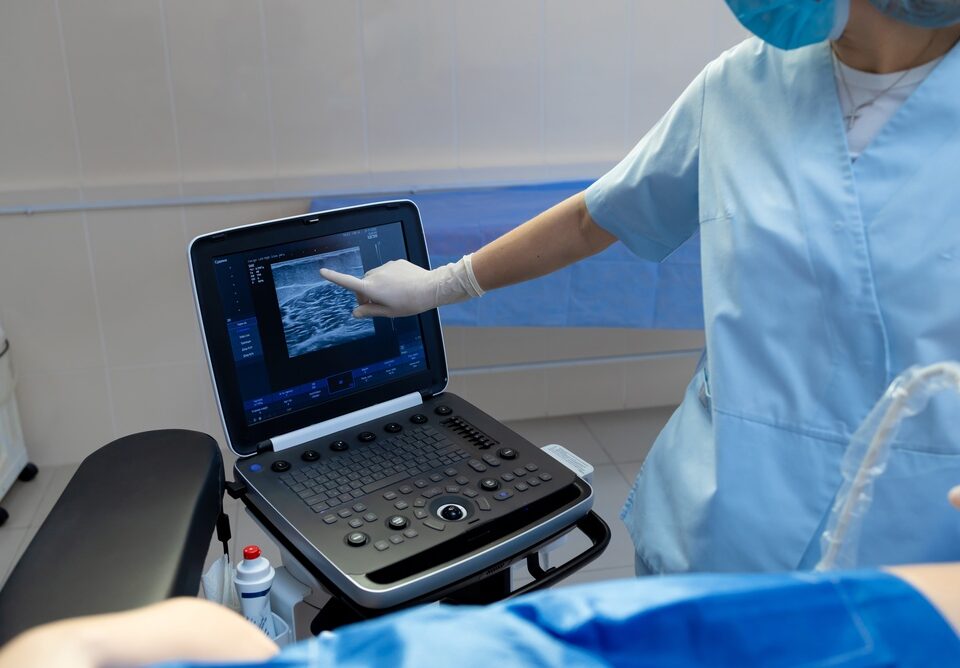
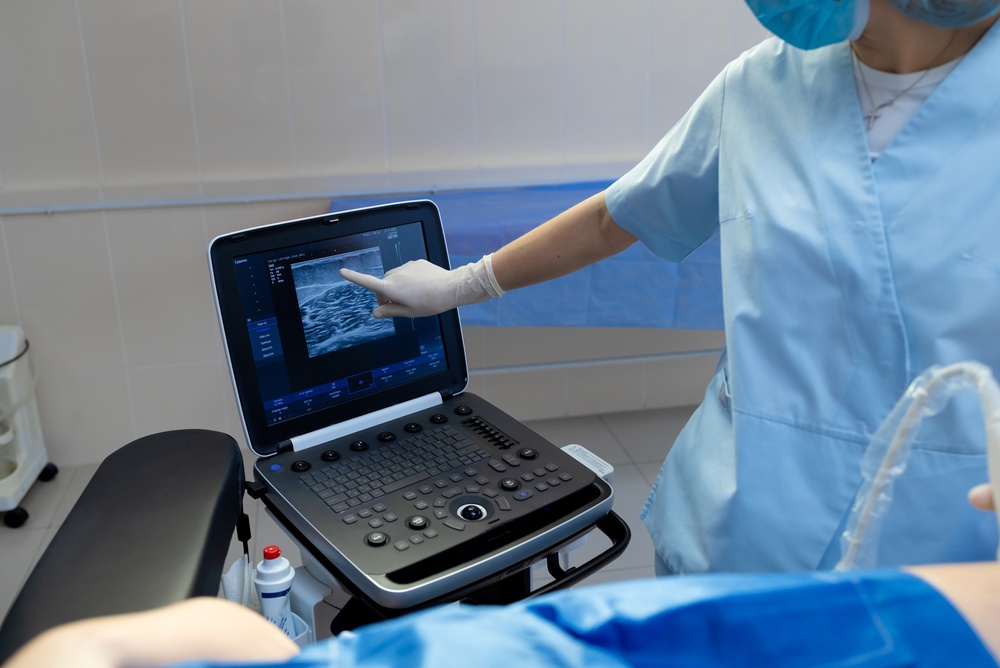
At The Vein Center of Maryland, our physicians use duplex ultrasound to see how blood flows through your legs. The exam can show whether blood is flowing backward through a vein, a problem called venous reflux. If reflux is contributing to your symptoms, we can talk through treatment options based on what we find.
Tell us what you notice on days you’re more active and on the days you spend indoors.
Contact us online or give our office a call at 410-970-2314 to schedule a vein evaluation.
Discuss your symptoms, ultrasound findings, recovery needs, and insurance questions. The best next step is a recommendation built around your health and daily responsibilities.
Meet Your Vein Specialists: The Vein Center of Maryland
At The Vein Center of Maryland, healthy, pain-free legs begin with dedicated expertise. Our clinical team combines decades of specialized surgical leadership with advanced vascular imaging to deliver comfortable, minimally invasive vein care:
-
Yash Kumar, M.D., F.A.C.S. (Director & Board-Certified Surgeon): Diplomate of the American Board of Surgery and Fellow of the American College of Surgeons (FACS) with over 25 years of specialized experience treating varicose veins and venous disease. Dr. Kumar trained at the All India Institute of Medical Sciences and completed surgical residency at Sinai Hospital in Baltimore. He specializes in state-of-the-art, minimally invasive outpatient procedures—including Laser Venous Ablation, Radiofrequency Closure, Sclerotherapy, and Ambulatory Phlebectomy.
-
Krystal “Kit” Alcott, PA-C, RVT, RPhS (Physician Assistant & Vascular Specialist): Board-certified Physician Assistant holding dual specialized credentials as a Registered Vascular Technologist (RVT) and Registered Phlebology Sonographer (RPhS). A graduate of Nova Southeastern University, Kit has performed thousands of vascular ultrasounds and minimally invasive vein treatments. Beyond clinical care, she actively trains healthcare providers and sonographers nationwide in advanced vascular diagnostics and ultrasound guidance.