
Lipodermatosclerosis in MD: Why the Skin on Your Lower Legs Turns Hard and Tight, and What It Says About Your Veins
November 25, 2026
Keep Your Legs Moving When It’s Cold Outside: Indoor Habits That Support Healthy Veins
November 25, 2026
By the time you finish charting, close the register or clean up after dinner service, your ankles may be telling you how long you’ve been on your feet.
If you’re shopping for compression stockings for standing jobs, check the pressure range and sizing chart on the package.
A nursing shift can make a good case for extra support, but the length of your shift alone doesn’t determine how much pressure you need.
How Compression Stockings for Standing Jobs Help
Graduated compression stockings for standing jobs apply the most pressure around your ankle and gradually ease up the leg. That pressure helps blood return toward your heart and can limit the swelling that builds over a long shift.
You might notice the difference when you take off your work shoes at the end of the day, especially if your legs feel heavy or achy by then.
Pay attention to how much of your shift you spend standing in one spot. Walking from room to room works your calf muscles, which help move blood up your legs.
Standing at a workstation or behind a counter gives those muscles fewer chances to help. When you get a break, walk a lap or move your ankles while sitting.
Which Compression Level Makes Sense for Your Shift?
Compression is measured in millimeters of mercury, or mmHg. The higher the number, the more pressure the stocking applies. Here’s how three common ranges compare.
- 8–15 mmHg is a light option if your legs mostly feel tired after work and you want a little support.
- 15–20 mmHg is a common starting range for otherwise healthy adults with mild puffiness or aching after long stretches on their feet.
- 20–30 mmHg provides firmer compression. A clinician may recommend it for persistent swelling or symptoms from varicose veins or chronic venous insufficiency. Ask before moving up to this range.
If you have peripheral artery disease, reduced feeling in your feet or significant heart disease, check with your clinician before starting compression. They can help determine whether it’s appropriate and what pressure is safe for you.
Compression Stockings for Standing Jobs: Get the Fit Right Before Your Next Shift
For knee-high stockings, measure around the narrowest part of your ankle and the widest part of your calf, then use the brand’s sizing chart. Some brands also ask for lower-leg length. Measure before swelling builds, ideally soon after you wake up. For day shifts, that’s also a good time to put them on.
Smooth the fabric as you pull it up and leave the top band flat. Folding it over can concentrate pressure in one spot. The stockings should feel snug and allow you to move your toes comfortably. If they cause pain, tingling or numbness, take them off and ask your clinician or fitter to check the size and pressure.
When End-of-Shift Swelling Deserves a Vein Evaluation
If your ankles swell most days, your legs feel heavy after resting or you notice new skin discoloration around your ankles, bring it up with a clinician. Mention whether the swelling goes down after sleep and whether it affects one leg or both. Sudden swelling in one leg, especially with pain or warmth, needs urgent evaluation for a possible blood clot.
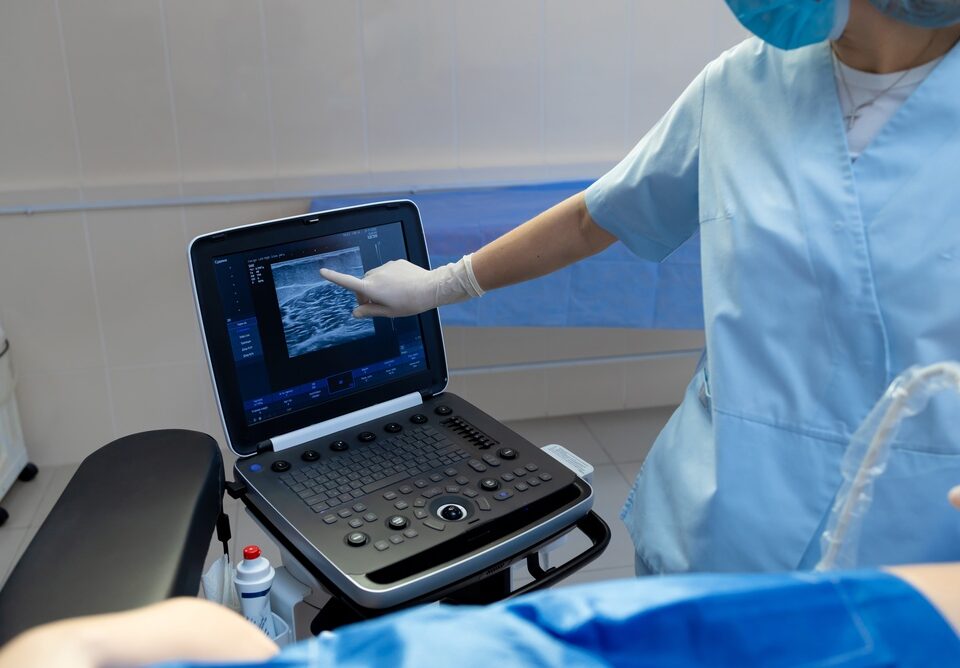
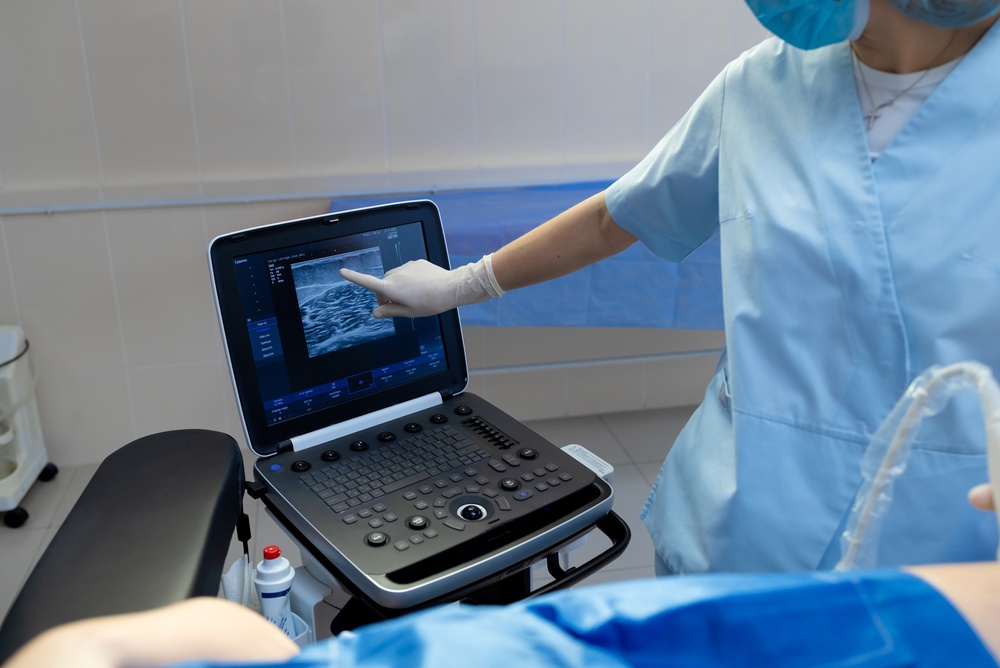
At The Vein Center of Maryland, our physicians can use duplex ultrasound to check whether blood is flowing backward through your leg veins. If vein trouble is contributing to your symptoms, we can discuss which compression level and other treatment options fit your needs.
Contact us online or give our office a call at 410-970-2314 to schedule a vein evaluation after you finish your shift.
Meet Your Vein Specialists: The Vein Center of Maryland
At The Vein Center of Maryland, healthy, pain-free legs begin with dedicated expertise. Our clinical team combines decades of specialized surgical leadership with advanced vascular imaging to deliver comfortable, minimally invasive vein care:
-
Yash Kumar, M.D., F.A.C.S. (Director & Board-Certified Surgeon): Diplomate of the American Board of Surgery and Fellow of the American College of Surgeons (FACS) with over 25 years of specialized experience treating varicose veins and venous disease. Dr. Kumar trained at the All India Institute of Medical Sciences and completed surgical residency at Sinai Hospital in Baltimore. He specializes in state-of-the-art, minimally invasive outpatient procedures—including Laser Venous Ablation, Radiofrequency Closure, Sclerotherapy, and Ambulatory Phlebectomy.
-
Krystal “Kit” Alcott, PA-C, RVT, RPhS (Physician Assistant & Vascular Specialist): Board-certified Physician Assistant holding dual specialized credentials as a Registered Vascular Technologist (RVT) and Registered Phlebology Sonographer (RPhS). A graduate of Nova Southeastern University, Kit has performed thousands of vascular ultrasounds and minimally invasive vein treatments. Beyond clinical care, she actively trains healthcare providers and sonographers nationwide in advanced vascular diagnostics and ultrasound guidance.