
Why Winter Is the Best Time for Vein Treatment in Maryland
November 25, 2026
Lipodermatosclerosis in MD: Why the Skin on Your Lower Legs Turns Hard and Tight, and What It Says About Your Veins
November 25, 2026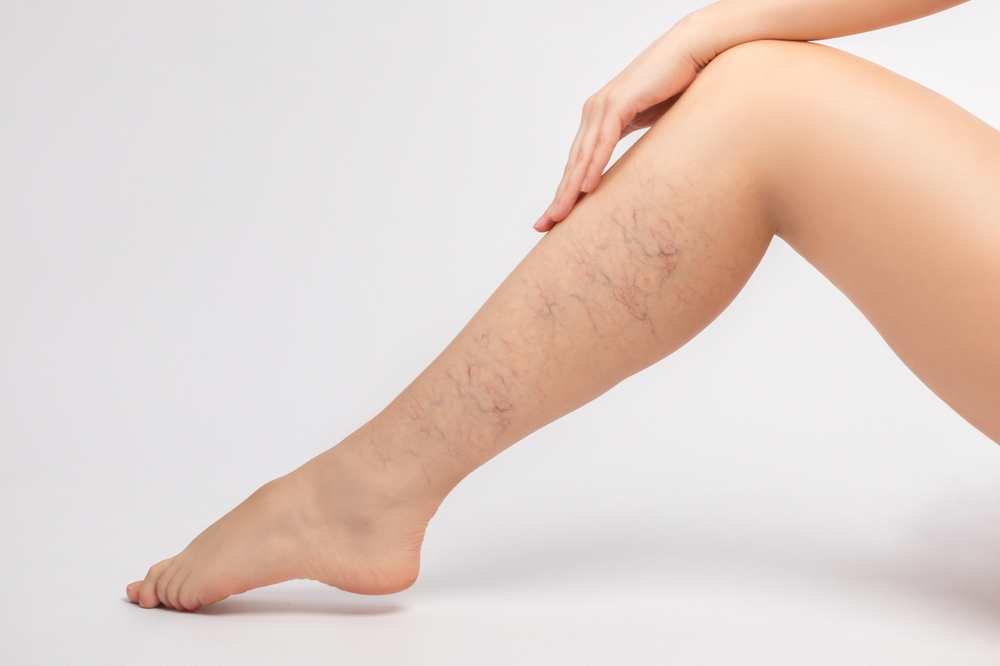
You spot a flat blue-green vein behind your knee, with a fan of finer purple lines nearby. Are they all spider veins? The wider line may be a reticular vein, and the finer ones may be spider veins it feeds.
If you’re looking into reticular veins in Westminster, MD, that connection can help explain why a vein specialist looks at the whole cluster before deciding which veins to treat.
What Reticular Veins in Westminster, MD, Look Like
Reticular veins are small veins just beneath the skin. They often appear blue, green or purple and can show up around the back of the knee or along the thigh. You can usually see them without feeling a raised ridge when you run a finger over the area. Varicose veins are larger and can feel like raised, twisted cords.
For many people, the only sign is a visible vein. Some people notice localized aching, itching or burning. If the veins are painless and their appearance doesn’t bother you, treatment is generally optional.
Tell your provider if you also have persistent swelling, skin discoloration near your ankles or bulging veins. Those symptoms can point to a vein problem that needs a closer look.
How Reticular Veins Relate to Spider Veins
Spider veins sit closer to the skin’s surface and look like fine threads. They may branch into a web or fan out from a central point. Reticular veins are wider and can carry blood into some of those branches, which is why you’ll sometimes hear them called feeder veins.
A reticular vein can also appear on its own. At your visit, your provider will look at how the veins are arranged and ask whether any of them bother you.
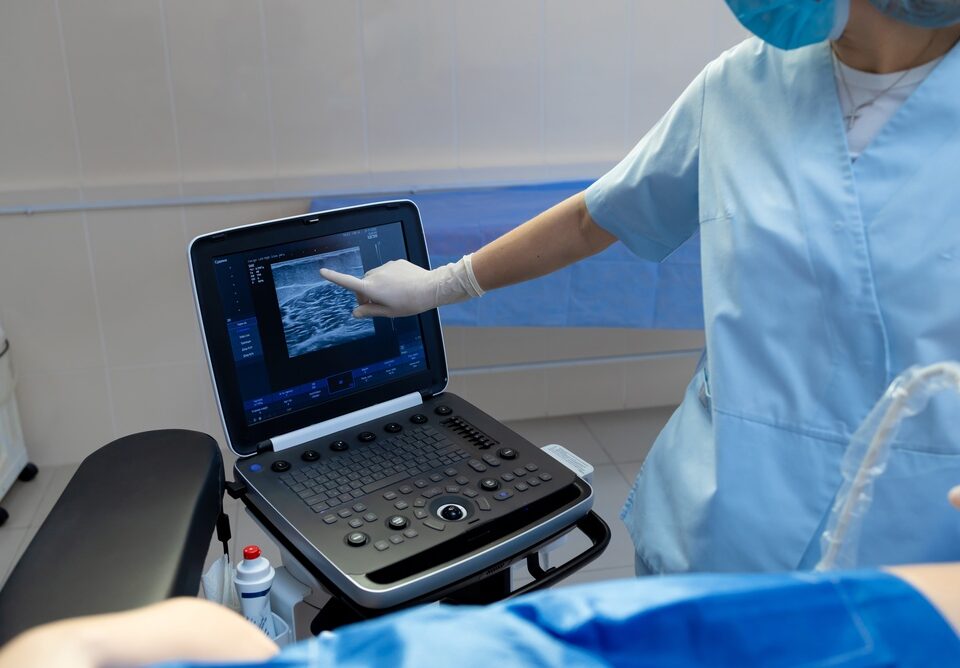
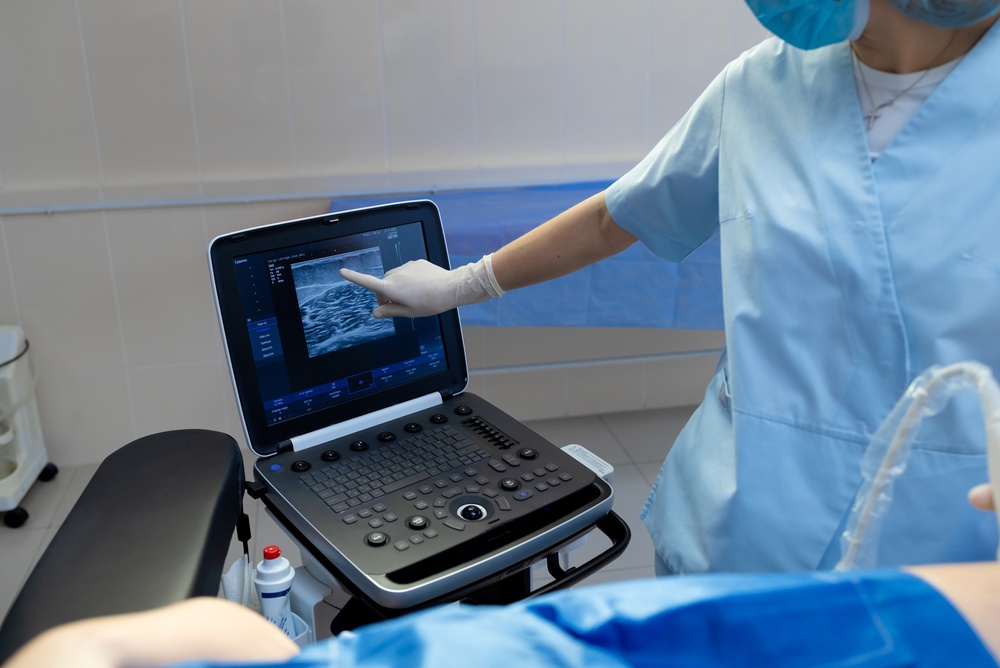
If a reticular vein feeds a cluster of spider veins, your provider may include it in the treatment plan. A visible cluster without symptoms generally doesn’t need a routine ultrasound. Your provider can decide whether imaging makes sense based on your exam and symptoms.
How Sclerotherapy Treats Reticular Veins
During sclerotherapy for reticular veins in Westminster, MD, your provider uses a fine needle to inject a solution into the selected vein. The solution irritates the inner lining and causes the vein to close.
Blood flows through other veins, and the treated vein fades gradually as your body absorbs it. You may feel a brief pinch or sting with each injection.
Over the following weeks, the treated veins may become less noticeable. Some people need another session, depending on the number of veins and how they respond.
Temporary bruising or dark marks can occur. If you’re planning around a vacation or an event, ask how much time to allow for bruising to settle and visible results to develop.
What to Expect at Our Westminster Vein Clinic
At The Vein Center of Maryland, we offer sclerotherapy in our Westminster office. Your provider will review your medical history, examine the veins you want treated and explain what kind of improvement you can expect. It helps to point out the area that bothers you most, especially if you have several clusters and want to know where to start.
You can usually get up and walk soon after treatment. Follow your provider’s instructions on wearing compression stockings, protecting the treated skin from the sun and returning to strenuous exercise. Before you leave, ask when to come back so your provider can check how the veins have responded and whether further treatment would help.
If you’re ready to find out whether sclerotherapy is right for your reticular or spider veins, call The Vein Center of Maryland at 410-970-2314 or request a free consultation online in Westminster, MD.
Discuss your symptoms, ultrasound findings, recovery needs, and insurance questions. The best next step is a recommendation built around your health and daily responsibilities.
Meet Your Vein Specialists: The Vein Center of Maryland
At The Vein Center of Maryland, healthy, pain-free legs begin with dedicated expertise. Our clinical team combines decades of specialized surgical leadership with advanced vascular imaging to deliver comfortable, minimally invasive vein care:
-
Yash Kumar, M.D., F.A.C.S. (Director & Board-Certified Surgeon): Diplomate of the American Board of Surgery and Fellow of the American College of Surgeons (FACS) with over 25 years of specialized experience treating varicose veins and venous disease. Dr. Kumar trained at the All India Institute of Medical Sciences and completed surgical residency at Sinai Hospital in Baltimore. He specializes in state-of-the-art, minimally invasive outpatient procedures—including Laser Venous Ablation, Radiofrequency Closure, Sclerotherapy, and Ambulatory Phlebectomy.
-
Krystal “Kit” Alcott, PA-C, RVT, RPhS (Physician Assistant & Vascular Specialist): Board-certified Physician Assistant holding dual specialized credentials as a Registered Vascular Technologist (RVT) and Registered Phlebology Sonographer (RPhS). A graduate of Nova Southeastern University, Kit has performed thousands of vascular ultrasounds and minimally invasive vein treatments. Beyond clinical care, she actively trains healthcare providers and sonographers nationwide in advanced vascular diagnostics and ultrasound guidance.