
RFA vs. EVLT in Maryland: Comparing the Two Leading Vein Ablation Techniques
November 1, 2026
Reticular Veins in Westminster, MD: What They Are, How They Relate to Spider Veins, and How Sclerotherapy Treats Them
November 25, 2026
If you’re wondering why winter is the best time for vein treatment, start with what you wear out the door. Long pants make it easier to cover treated skin and wear compression stockings if your provider recommends them. Starting in winter also gives you time to see how your legs respond before spring and summer plans fill the calendar.
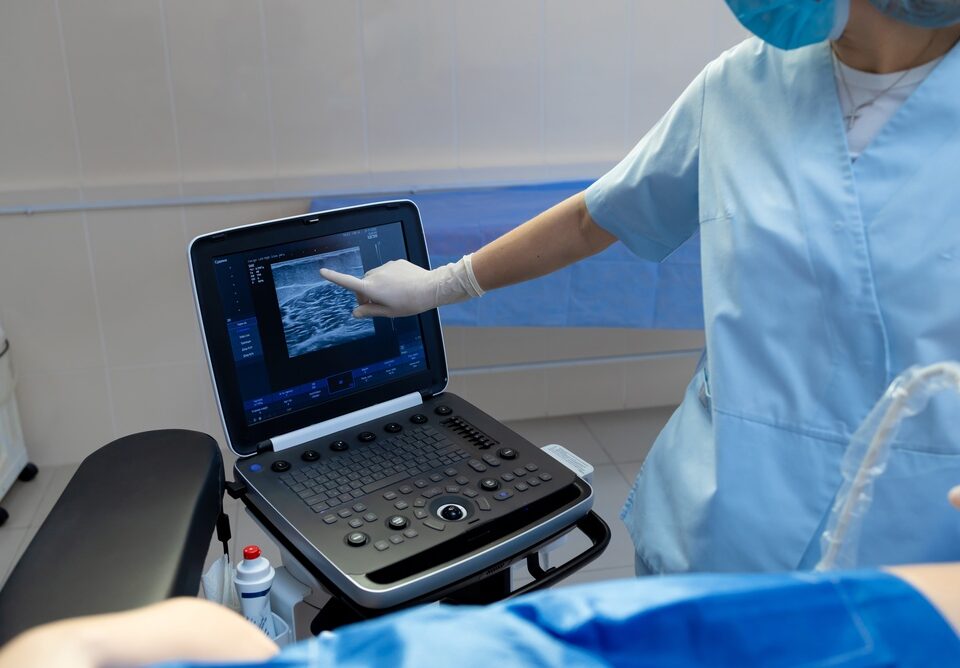
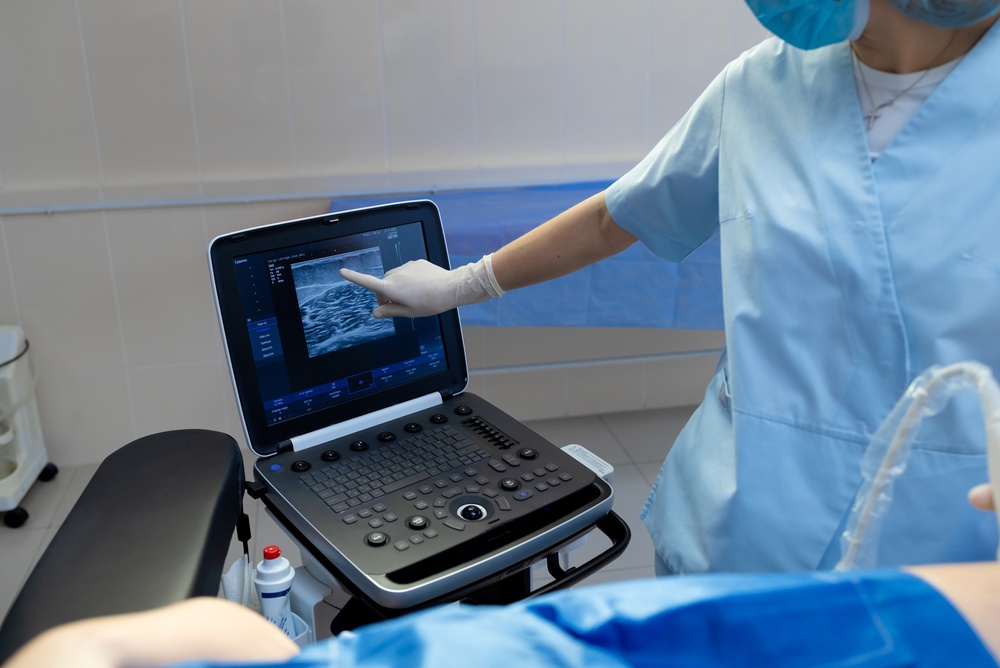
Whether you’re bothered by visible spider veins or by legs that ache after a long day on your feet, start with an evaluation. At The Vein Center of Maryland, our physicians use duplex ultrasound to assess how blood flows through your leg veins and help determine which treatment options fit your needs.
Why Winter Is the Best Time for Vein Treatment
Compression stockings can feel like one layer too many on a humid Maryland afternoon. Under jeans or work pants in January, you may barely think about them. If your provider prescribes compression after treatment, ask how long to wear the stockings, whether to sleep in them and when you can take them off to shower. Those instructions depend on your procedure and your individual needs.
Give a little thought to what you’ll wear home from the appointment, too. If you’ll be wearing compression stockings, loose pants can be easier to pull on over them. They can also keep any temporary bruising out of sight while it fades.
Long Pants Make Sun Protection Simpler
After sclerotherapy, your provider may ask you to keep treated areas out of direct sunlight. Sun exposure can contribute to dark spots on treated skin, so it helps to schedule your appointment when you’ll already be wearing clothes that cover your legs.
A winter beach trip can change that calculation. If you’re headed somewhere warm, give your provider your travel dates before booking treatment. Ask when you can uncover the treated area and how to protect it if you’ll be outside. A little planning now can save you from having to rethink what you packed later.
Give Treated Veins Time to Fade
With sclerotherapy, a provider injects a solution that closes the treated vein. Small veins typically fade over several weeks, while larger veins can take longer. Some patients need more than one session. Starting in winter gives you room to see how the first treatment goes, come back for a follow-up and schedule another visit if needed.
The right timeline also depends on what’s causing your symptoms. Sclerotherapy can address spider veins and some small varicose veins. If an ultrasound shows blood flowing backward through a larger vein, your physician may discuss endovenous laser ablation or radiofrequency ablation. At your consultation, mention what bothers you most, whether that’s visible veins, heaviness on your commute home or swelling after a shift.
Schedule a Winter Vein Consultation in Maryland
Pick an appointment date that gives you room to follow your provider’s aftercare instructions. Light walking is generally encouraged after sclerotherapy, and your provider may ask you to pause strenuous exercise temporarily. If the sidewalks are icy, ask whether an indoor walk fits your aftercare plan. Bring up any upcoming travel or events so your provider can help you plan around them.
Winter can make aftercare easier to fit into your routine. If leg aching or swelling is getting in the way of everyday activities, schedule an evaluation when you need one. Vein treatment is available year-round, and a consultation can help you understand what’s behind those symptoms and how soon to address them.
Contact us online or give our office a call at 410-970-2314 to schedule a vein evaluation.
Discuss your symptoms, ultrasound findings, recovery needs, and insurance questions. The best next step is a recommendation built around your health and daily responsibilities.
Meet Your Vein Specialists: The Vein Center of Maryland
At The Vein Center of Maryland, healthy, pain-free legs begin with dedicated expertise. Our clinical team combines decades of specialized surgical leadership with advanced vascular imaging to deliver comfortable, minimally invasive vein care:
-
Yash Kumar, M.D., F.A.C.S. (Director & Board-Certified Surgeon): Diplomate of the American Board of Surgery and Fellow of the American College of Surgeons (FACS) with over 25 years of specialized experience treating varicose veins and venous disease. Dr. Kumar trained at the All India Institute of Medical Sciences and completed surgical residency at Sinai Hospital in Baltimore. He specializes in state-of-the-art, minimally invasive outpatient procedures—including Laser Venous Ablation, Radiofrequency Closure, Sclerotherapy, and Ambulatory Phlebectomy.
-
Krystal “Kit” Alcott, PA-C, RVT, RPhS (Physician Assistant & Vascular Specialist): Board-certified Physician Assistant holding dual specialized credentials as a Registered Vascular Technologist (RVT) and Registered Phlebology Sonographer (RPhS). A graduate of Nova Southeastern University, Kit has performed thousands of vascular ultrasounds and minimally invasive vein treatments. Beyond clinical care, she actively trains healthcare providers and sonographers nationwide in advanced vascular diagnostics and ultrasound guidance.