
Can Compression Socks or a Standing Desk Prevent Varicose Veins at a Desk Job?
October 31, 2026
Exercises That Help You Avoid Leg Veins While Working Jobs That Require You to Be on Your Feet
November 1, 2026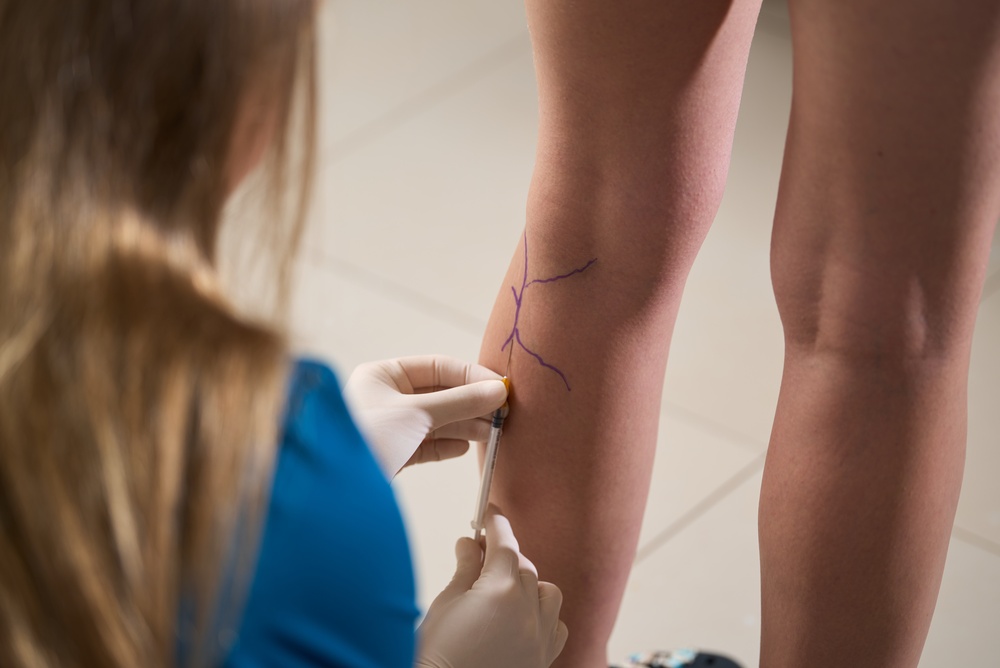
If you are considering sclerotherapy in Harford County, understanding the process can help you plan without expecting instant results.
Deciding to treat visible leg veins often brings a list of questions. Will the injections hurt? Can you walk afterward? And when will those veins fade?
The Vein Center of Maryland offers sclerotherapy and other vein treatment options. Ask about appointment locations. Your plan should reflect the veins involved, your symptoms, and your medical history.
Before Sclerotherapy in Harford County: Start With an Evaluation
Your first visit should establish whether sclerotherapy is appropriate. The clinician examines your veins, discusses symptoms, and reviews previous treatments, medications, allergies, and medical conditions.
Mention any history of blood clots and whether you are pregnant or breastfeeding. Some circumstances may affect treatment suitability or timing.
The Vein Center of Maryland uses duplex ultrasound to evaluate venous disease and guide treatment recommendations. Ask whether imaging is needed, especially if you have swelling, aching, or larger bulging veins alongside smaller surface vessels.
Before scheduling, discuss preparation, expected benefits, risks, and the likely number of appointments. Ask about compression stockings and whether you need to bring them.
Do not stop prescribed medication on your own. Follow instructions specific to your treatment rather than a preparation checklist intended for someone else.
During Treatment: What the Injections Do
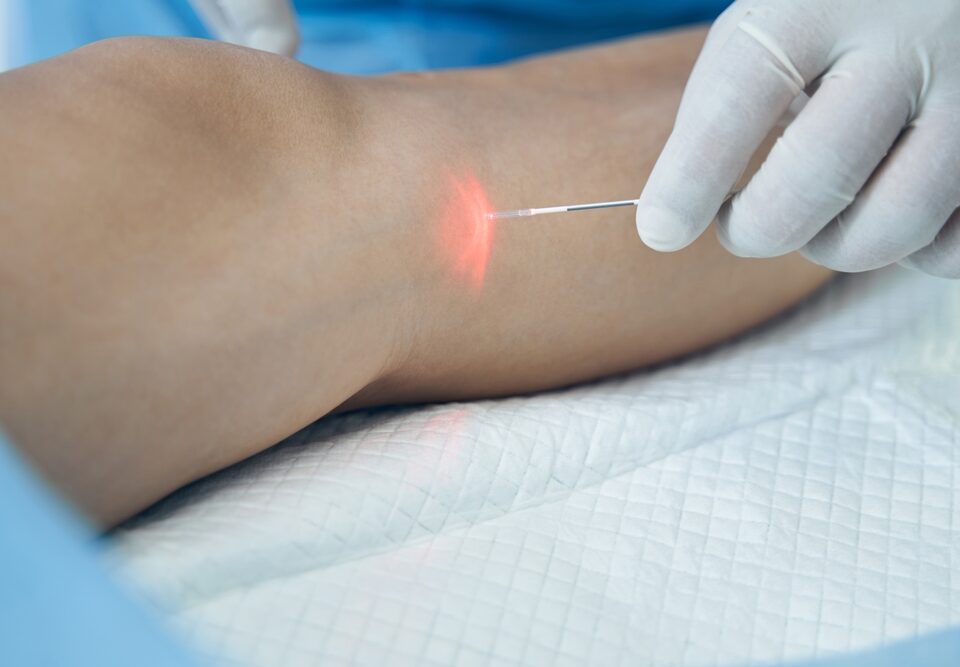
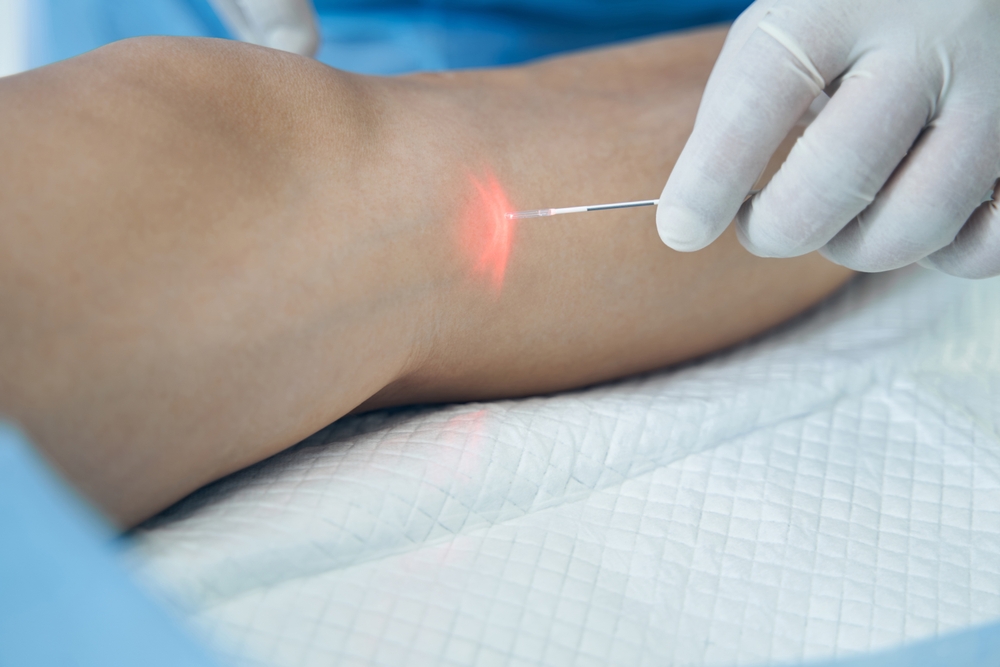
Sclerotherapy involves injecting a solution into selected veins. It irritates the vessel lining, encouraging the walls to stick together and close. Blood then travels through other veins.
You may feel needle pricks or temporary stinging as areas are treated. Tell your clinician if you experience significant pain or anything that feels unusual.
The number of injection sites varies with the treatment area and vein pattern. A small cluster may need a different approach from veins spread across both legs.
Compression may be applied afterward, and walking is generally encouraged. Before leaving, make sure you understand your aftercare instructions, activity limits, and whom to contact with concerns.
This is an outpatient treatment, but your schedule should still allow time for the appointment and any recommended precautions.
After Treatment: Healing Comes Before Final Results
Bruising, tenderness, and temporary discoloration can occur around treated areas. Some veins may initially remain noticeable while healing progresses.
Wear compression as directed and follow your clinician’s advice about walking, exercise, sun exposure, and returning to routine activities. Instructions can differ depending on the treatment.
Spider veins often fade within several weeks. Larger veins may take several months, and multiple sessions may be needed. Your provider should explain when reassessment makes sense.
Visible improvement is gradual, so avoid judging the outcome immediately after treatment. Follow-up helps determine whether remaining vessels need another session or more time.
Contact your treating clinician promptly if dealing with post-treatment complications like worsening pain, significant swelling, spreading redness, or other concerning changes. Seek urgent medical assessment for sudden one-sided leg swelling or calf pain.
Call 911 for sudden shortness of breath, chest pain, or fainting. These can signal a serious complication and should not wait for a routine callback.
Even successful treatment does not prevent every new vein from developing. Discuss longer-term expectations and whether future treatment might be appropriate.
Take the Next Step With Clear Expectations
Exploring sclerotherapy in Harford County should leave you with a clear understanding of your options, preparation, recovery, and likely timeline.
The clinical team at The Vein Center of Maryland can discuss how treatment fits your needs and daily responsibilities.
Contact us online or give our office a call at 410-970-2314 to schedule a vein evaluation.
Ask about appointment locations, suitability, expected improvement, and follow-up care. A thoughtful evaluation is the first step toward an informed treatment decision.
Meet Your Vein Specialists: The Vein Center of Maryland
At The Vein Center of Maryland, healthy, pain-free legs begin with dedicated expertise. Our clinical team combines decades of specialized surgical leadership with advanced vascular imaging to deliver comfortable, minimally invasive vein care:
-
Yash Kumar, M.D., F.A.C.S. (Director & Board-Certified Surgeon): Diplomate of the American Board of Surgery and Fellow of the American College of Surgeons (FACS) with over 25 years of specialized experience treating varicose veins and venous disease. Dr. Kumar trained at the All India Institute of Medical Sciences and completed surgical residency at Sinai Hospital in Baltimore. He specializes in state-of-the-art, minimally invasive outpatient procedures—including Laser Venous Ablation, Radiofrequency Closure, Sclerotherapy, and Ambulatory Phlebectomy.
-
Krystal “Kit” Alcott, PA-C, RVT, RPhS (Physician Assistant & Vascular Specialist): Board-certified Physician Assistant holding dual specialized credentials as a Registered Vascular Technologist (RVT) and Registered Phlebology Sonographer (RPhS). A graduate of Nova Southeastern University, Kit has performed thousands of vascular ultrasounds and minimally invasive vein treatments. Beyond clinical care, she actively trains healthcare providers and sonographers nationwide in advanced vascular diagnostics and ultrasound guidance.