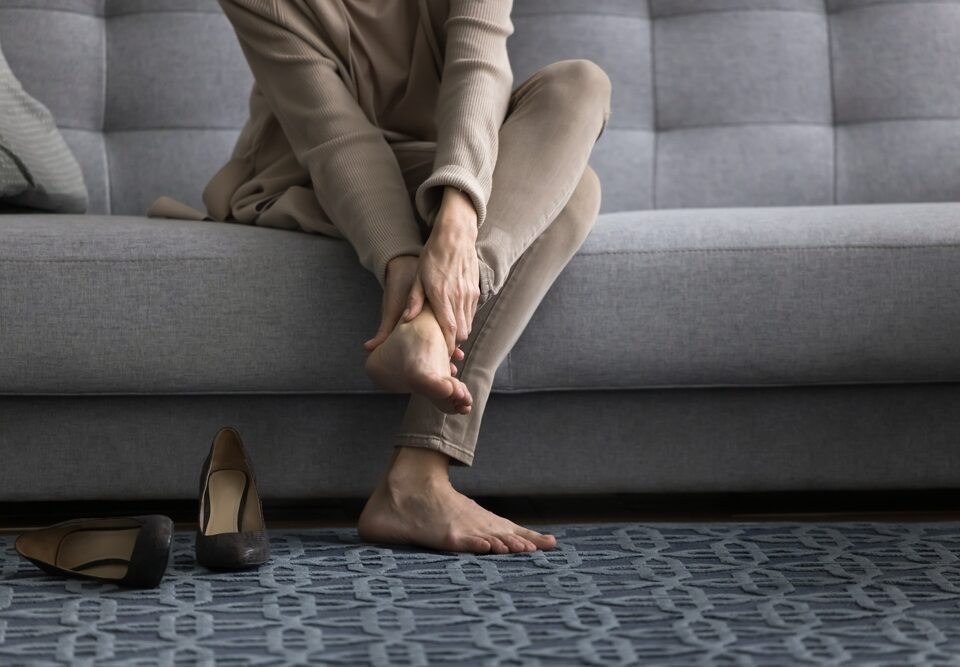


Why Do I Keep Getting More Spider Veins?
September 2, 2026
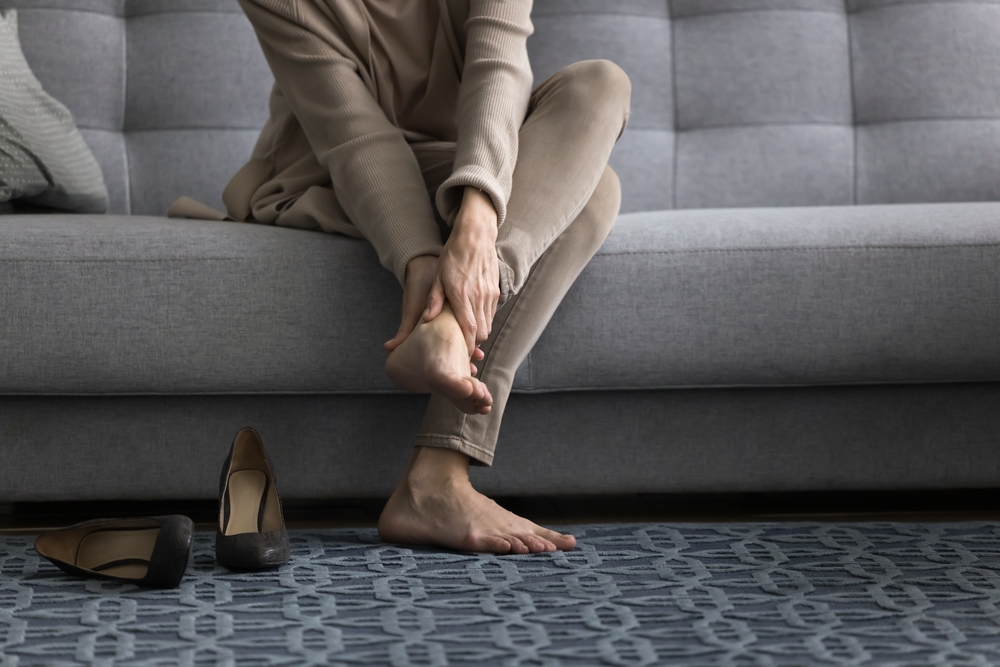
Why Do My Legs Feel Heavy at the End of the Day?
September 2, 2026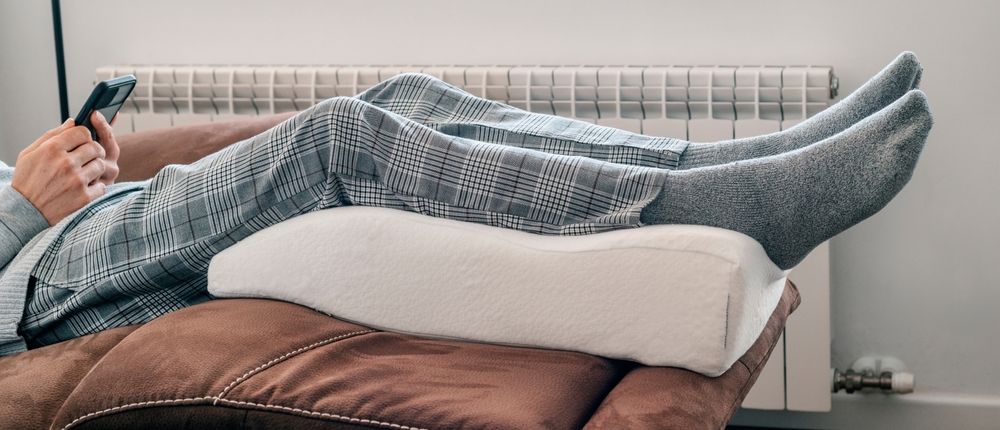
Have you ever kicked your feet up after a long day and noticed your aching legs almost instantly started to feel better? If your legs feel better when elevated, there’s a good chance your body is giving you an important clue about your circulation.
While elevating your legs can provide temporary relief, it may also point to an underlying vein condition that deserves attention.
Understanding why elevation helps can give you a better idea of what’s happening beneath the surface and when it may be time to seek a professional evaluation.
Gravity Works Both Ways
Your veins work hard every day to carry blood from your legs back to your heart. To do that, they rely on tiny one-way valves that keep blood moving upward against gravity.
When those valves weaken or become damaged, blood doesn’t flow as efficiently. Instead, it can begin pooling in the lower legs, increasing pressure inside the veins. That extra pressure often leads to aching, heaviness, swelling and fatigue, especially after standing or sitting for long periods.
When you elevate your legs above the level of your heart, gravity suddenly starts working in your favor. Blood can flow more easily back toward the heart, reducing pressure inside the veins and relieving many of the uncomfortable symptoms that have built up throughout the day.
Temporary Relief When You Elevate your Legs Doesn’t Always Mean the Problem Is Gone
It’s completely normal for your legs to feel refreshed after a few minutes of elevation. However, if your legs feel better when elevated every single day, it may indicate more than simple fatigue.
Many people with chronic venous insufficiency notice that their symptoms improve after resting with their legs elevated but quickly return once they spend time standing, walking or sitting again.
The underlying issue isn’t the activity itself. It’s that weakened vein valves continue allowing blood to collect in the legs whenever gravity begins pulling downward again.
Elevation treats the symptom, but it doesn’t correct the cause.
Other Signs Your Veins May Need Attention
Relief after elevating your legs is often accompanied by other symptoms that point toward an underlying circulation problem.
You may notice aching or throbbing that worsens later in the day, swelling around the ankles, feelings of heaviness or fatigue, nighttime leg cramps or itching around visible veins. Some people also develop spider veins or varicose veins as vein disease progresses.
These symptoms often develop gradually, making them easy to dismiss as a normal part of getting older or spending too much time on your feet.
If they become more frequent or interfere with your daily activities, it’s worth having your veins evaluated.
Modern Treatments Can Improve Both Comfort and Circulation
Today’s vein treatments are minimally invasive and designed to restore healthier circulation with little interruption to your daily routine.
Depending on your condition, treatment may close damaged veins so blood naturally reroutes through healthier ones. Many patients notice improvements not only in the appearance of their legs but also in swelling, aching, heaviness and overall comfort.
Instead of relying on leg elevation every evening for relief, treatment can help address the underlying reason your symptoms developed in the first place.
Find Lasting Relief for Tired, Aching Legs
If your legs feel better when elevated, don’t ignore what your body may be trying to tell you. While elevation is an excellent way to temporarily relieve pressure, persistent symptoms often deserve a closer look.
Our specialists at The Vein Center of Maryland provide comprehensive vein evaluations and advanced minimally invasive treatments to help improve circulation and relieve uncomfortable symptoms.
Call 410-970-2314 to speak with a member of our team or contact us online to schedule a consultation and learn whether healthier veins could help you feel better every day.