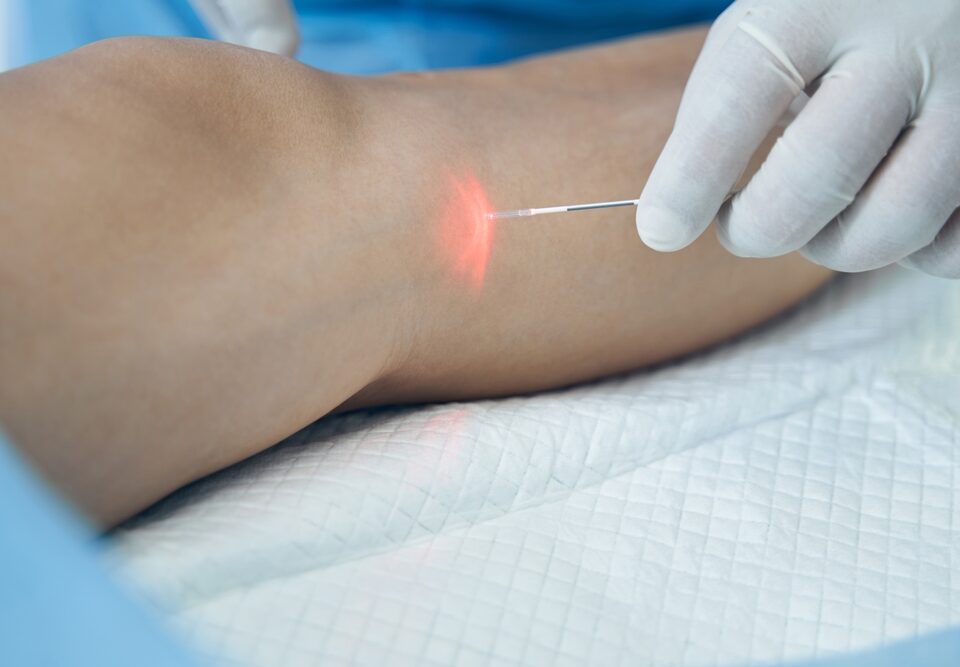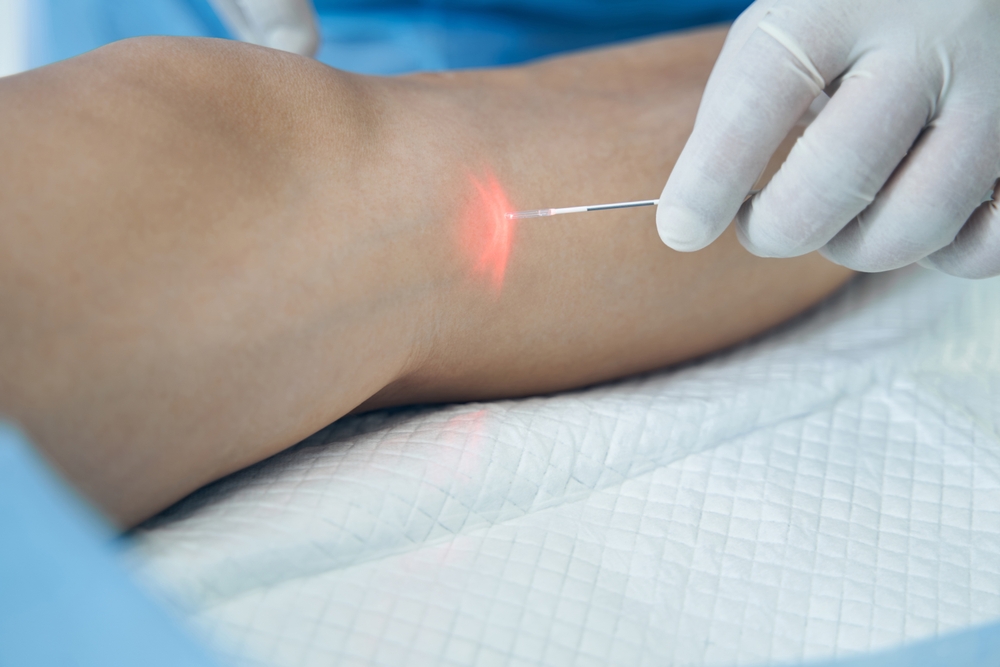


How Long Does an EVLT Procedure in MD Actually Take?
September 28, 2026
How Many Sclerotherapy Sessions Will You Need? The Factors That Change the Number
October 31, 2026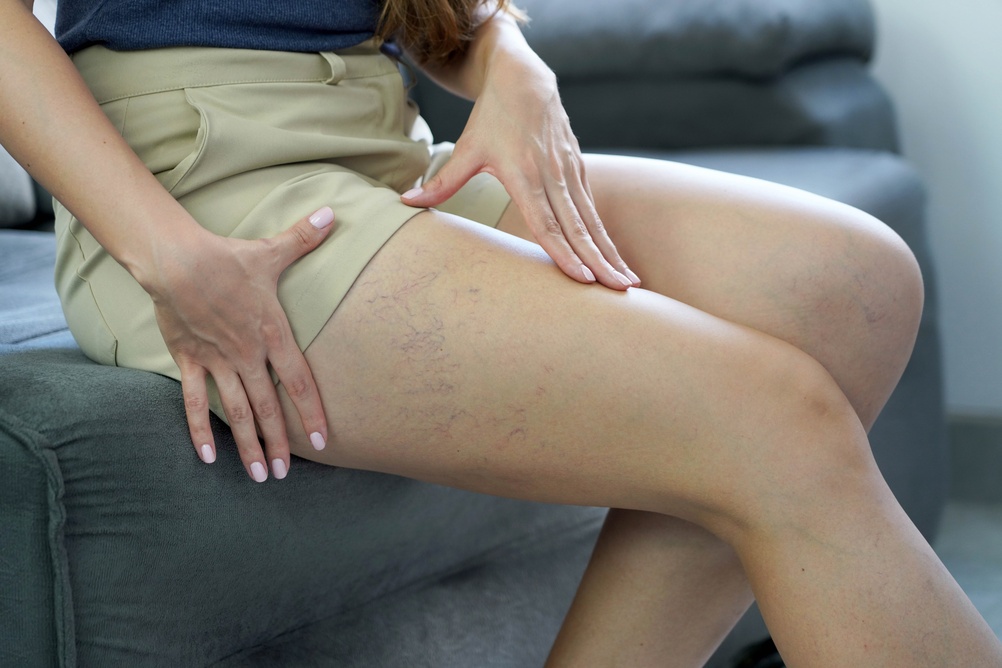
Two people can spend time working similar jobs, exercising, and following routines, yet only one develops spider veins. The difference is not necessarily something either person did wrong, the bottom line is, some people get spider veins and others dont.
Spider veins reflect a combination of inherited risk, hormonal influences, aging, and everyday pressures on circulation. Some factors are within your control; others arrived with your family history.
At The Vein Center of Maryland, treatment options include sclerotherapy and laser treatment for appropriate veins. Understanding why they develop can help you make informed decisions about prevention, evaluation, and care.
Why Some People Get Spider Veins in the First Place
Spider veins are small, visible blood vessels near the skin’s surface. They often form thin red, blue, or purple lines in branching or web-like patterns.
They differ from the larger, bulging veins associated with varicose veins. Both can occur on the same legs, but seeing spider veins does not automatically mean you have significant underlying venous disease.
Problems with veins and their blood flow can contribute to their development. Hormonal changes, sun exposure, and injury can also play a role.
Appearance alone cannot explain why a vessel became visible. An assessment considers where the veins occur, your symptoms, and your health history.
That is why comparing your legs with someone else’s rarely provides useful answers. Similar-looking veins can also require different treatment approaches.
Family History and Hormones Influence Your Risk
If close relatives have spider veins or varicose veins, your likelihood of developing them is higher. You can inherit a tendency toward vein problems without inheriting a matching pattern or timeline.
Age also matters. Over time, changes in vein function can make visible leg veins more common.
Pregnancy adds increased blood volume and pressure from the growing uterus, while hormonal changes can influence veins, both spider and varicose. Some pregnancy-related veins improve after delivery, while others persist.
Hormonal medications may also influence risk. Discuss birth control or menopausal hormone therapy during your consultation, but do not change prescribed medication without speaking with your prescriber.
These factors help explain why two people with similar lifestyles can have different outcomes. Vein health is not a scorecard for how carefully you have looked after yourself.
Daily Habits Matter, but Prevention Has Limits
Long periods of sitting or standing still can increase pressure in leg veins. Regular movement helps your calf muscles support blood flow back toward the heart.
Take walking breaks when possible, change positions throughout the day, and elevate your legs during suitable rest periods. These habits support circulation but do not guarantee that spider veins will never appear.
Sun protection can also help reduce the development of some superficial vessels, particularly on exposed skin. Use broad-spectrum sunscreen and protective clothing.
Compression stockings may help patients manage swelling or discomfort, although they do not erase visible vessels. Ask a clinician about appropriate sizing and pressure.
Existing spider veins generally will not disappear through exercise, massage, or skincare alone. If you want improvement, The Vein Center of Maryland offers sclerotherapy, which treats selected veins through targeted injections, alongside laser options.
Treatment may require several sessions, and new veins can develop later. Ask about expected improvement, aftercare, risks, and whether symptoms suggest a need for evaluation.
Ready to Understand Your Vein Changes?
Some people get spider veins, they are common, and treatment is a personal decision. You can seek advice because their appearance bothers you, because symptoms have developed, or simply because you want answers.
Contact The Vein Center of Maryland online or give our office a call at 410-970-2314 to schedule a vein evaluation.
Discuss your family history, symptoms, and goals with the clinical team. A personalized assessment can help you understand your options without guessing why your legs look different from someone else’s.
Meet Your Vein Specialists: The Vein Center of Maryland
At The Vein Center of Maryland, healthy, pain-free legs begin with dedicated expertise. Our clinical team combines decades of specialized surgical leadership with advanced vascular imaging to deliver comfortable, minimally invasive vein care:
-
Yash Kumar, M.D., F.A.C.S. (Director & Board-Certified Surgeon): Diplomate of the American Board of Surgery and Fellow of the American College of Surgeons (FACS) with over 25 years of specialized experience treating varicose veins and venous disease. Dr. Kumar trained at the All India Institute of Medical Sciences and completed surgical residency at Sinai Hospital in Baltimore. He specializes in state-of-the-art, minimally invasive outpatient procedures—including Laser Venous Ablation, Radiofrequency Closure, Sclerotherapy, and Ambulatory Phlebectomy.
-
Krystal “Kit” Alcott, PA-C, RVT, RPhS (Physician Assistant & Vascular Specialist): Board-certified Physician Assistant holding dual specialized credentials as a Registered Vascular Technologist (RVT) and Registered Phlebology Sonographer (RPhS). A graduate of Nova Southeastern University, Kit has performed thousands of vascular ultrasounds and minimally invasive vein treatments. Beyond clinical care, she actively trains healthcare providers and sonographers nationwide in advanced vascular diagnostics and ultrasound guidance.