
Are Spider Veins a Sign of Poor Circulation?
July 27, 2026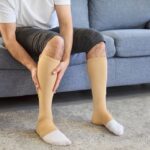
How to Avoid Leg Veins in York, PA
July 27, 2026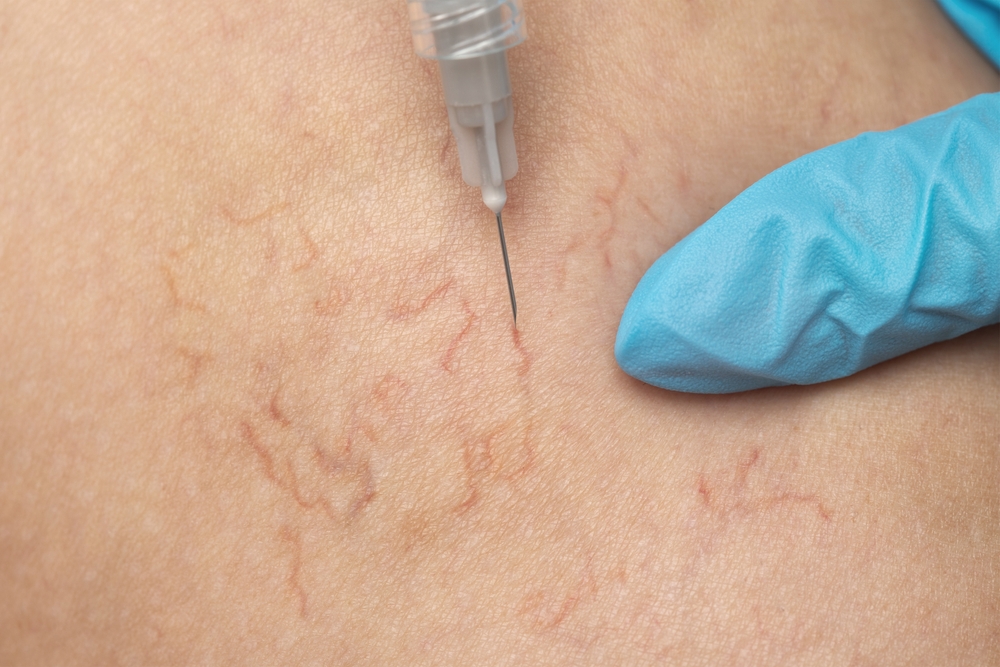
Surgery used to be the standard answer for visible leg veins. That changed significantly over the past decade as minimally invasive procedures redefined what treatment looks like.
You can get rid of visible leg veins without surgery using techniques like sclerotherapy that require no general anesthesia, no large incisions, and little to no recovery time. Most are performed in a clinic setting and completed in under an hour.
This post covers the main non-surgical options, how each one works, and how to know which approach is right for your veins.
Why Surgery Is Rarely the First Answer Anymore
Traditional vein stripping has largely been replaced by safer, less invasive techniques that produce comparable results without the surgical risk, general anesthesia, or recovery time.
Minimally invasive techniques now produce comparable results with far less disruption. Most patients return to normal activity within a day.
The advancement in vein care over the past decade means that the vast majority of visible leg veins, from small spider veins to larger varicose veins, can be addressed without an operating room.
What Sclerotherapy Does for Visible Leg Veins
Sclerotherapy is the most widely used non-surgical treatment for visible leg veins. A solution is injected directly into the affected vein through a fine needle.
The solution irritates the vein wall, causing it to collapse and seal shut. Blood reroutes naturally through healthier vessels nearby.
The treated vein gradually fades over several weeks as the body absorbs the collapsed tissue. Most patients need one to three sessions depending on the extent of visible veins.
How Can I Get Rid of Visible Leg Veins Without Surgery Using Heat Energy?
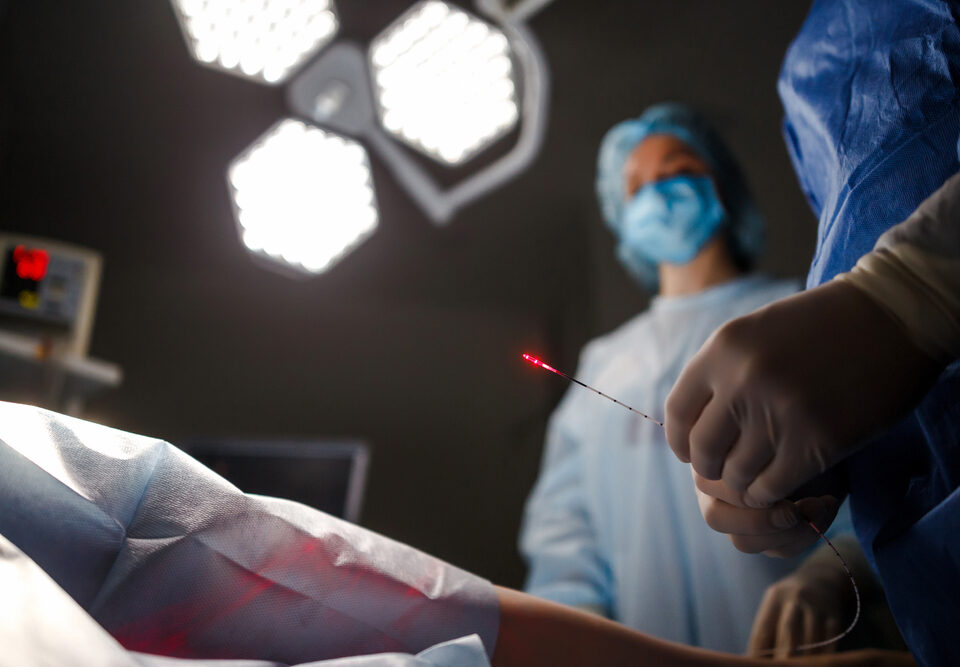
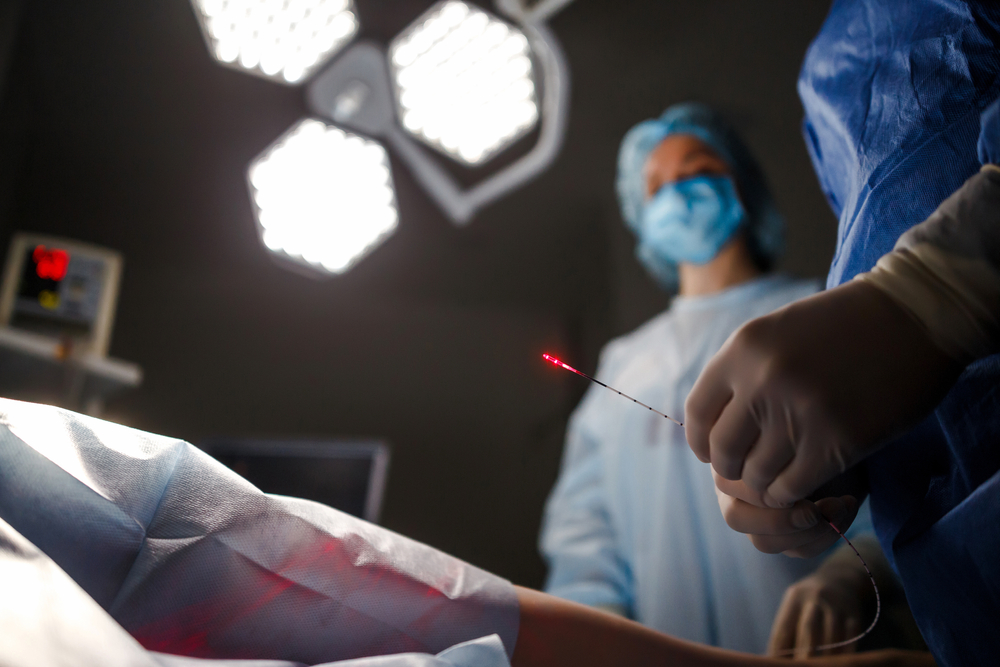
Endovenous laser therapy and radiofrequency ablation both use controlled heat to close problem veins from the inside. A thin catheter is inserted into the vein under ultrasound guidance.
Heat energy is delivered along the length of the vessel, causing it to seal and collapse. Blood flow naturally shifts to healthy veins in the area.
Both techniques are performed under local anesthesia in an office setting. Patients typically walk out the same day with minimal discomfort.
Which Option Is Right for Your Veins?
The right approach depends on the size, depth, and type of vein being treated. Smaller surface veins respond well to sclerotherapy.
Larger veins with underlying valve failure often require thermal ablation to address the root cause. Treating the source vein first produces more durable results.
A diagnostic ultrasound maps the venous system and identifies where valve dysfunction exists. This guides the treatment plan and determines which technique will be most effective.
What to Expect From Non-Surgical Vein Treatment
Most non-surgical vein procedures involve minimal discomfort during and after. Compression stockings are typically worn for a period following treatment to support healing.
Bruising or mild tenderness in the treated area is common and resolves within one to two weeks. Strenuous exercise is usually limited for a few days post-procedure.
Spider veins and smaller surface vessels often show visible fading within three to six weeks. Larger veins may take longer to fully resolve as the body processes collapsed tissue.
Treating Veins Early Produces Better Outcomes
Patients asking how can I get rid of visible leg veins without surgery will find that early intervention consistently produces the simplest outcomes.
Early intervention with minimally invasive options is almost always simpler than treating advanced venous disease. The window for conservative, in-office care is widest before complications develop.
A vein evaluation gives you a clear picture of what is happening beneath the surface and which treatment path makes the most sense for your situation.
Get Rid of Visible Leg Veins Without Stepping Into an Operating Room
Non-surgical vein care has made treatment accessible to far more patients than ever before.
The Vein Center of Maryland offers a full range of minimally invasive options, with free consultations to help you understand exactly what your veins need.
Contact us online or call our office at 410-970-2314 to schedule your consultation for spider veins today.