

EVLT Recovery Week by Week: What’s Normal and What’s a Red Flag
November 1, 2026
RFA vs. EVLT in Maryland: Comparing the Two Leading Vein Ablation Techniques
November 1, 2026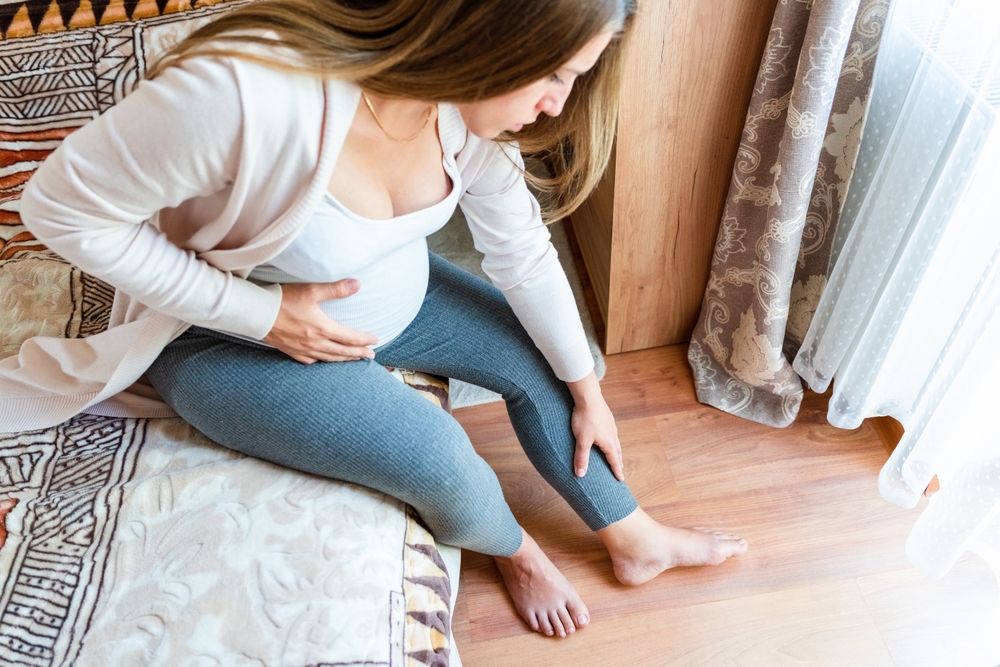
Pregnancy and menopause bring plenty of changes, but heavier legs and visible veins may not be the ones you expected. If your legs feel different, hormones could be part of the explanation.
Understanding hormonal changes and leg veins means looking beyond appearance. Circulation, family history, age, and pressure inside the veins all matter.
The Vein Center of Maryland offers vein treatment options for symptoms such as aching, swelling, and heaviness. An evaluation can help determine whether your discomfort reflects venous disease and what support makes sense for your stage of life.
How Hormonal Changes and Leg Veins Are Connected
Leg veins carry blood back toward the heart, working against gravity. Small valves help keep that blood moving in the right direction.
When valves do not close properly, blood can flow backward and collect. Increased pressure can enlarge veins, producing the bulging, twisted appearance associated with varicose veins.
Hormones can influence vein walls and symptoms. Some women notice changes during their menstrual cycle, pregnancy, or menopause. However, hormones are one contributor, not an explanation for every swollen ankle.
Family history, prolonged sitting or standing, and aging can also affect risk. Your legs have several influences to contend with, even before a busy day enters the picture.
Why Pregnancy Can Make Veins More Noticeable
During pregnancy, blood volume increases to support the growing baby. Hormonal changes can relax vein walls, while the expanding uterus puts pressure on veins carrying blood from the legs.
Together, these changes can make veins larger and contribute to heaviness, aching, or swelling. Symptoms may become more noticeable after long periods on your feet.
For some women, pregnancy-related varicose veins improve within months after childbirth. Others continue to have symptoms, and additional pregnancies may bring more visible veins.
Discuss symptoms with your maternity care team. Walking, elevating your legs, and appropriately fitted compression stockings may help when recommended. Vein procedures are usually postponed during pregnancy, allowing time to reassess after delivery.
The Vein Center of Maryland’s clinical team can discuss evaluation and appropriate timing alongside your pregnancy care.
Menopause Adds Hormonal Changes to Existing Risk Factors
Hormonal shifts around menopause may influence vein symptoms, but it is too simplistic to blame declining estrogen alone. Aging also causes wear on vein valves, and family history and previous pregnancies remain relevant.
Veins that were previously noticeable may become more bothersome as these factors accumulate. Aching, itching, swelling, or skin discoloration deserves attention rather than being dismissed as an unavoidable part of getting older.
Hormone therapy may also affect vein-related risks. Tell your clinician about all medications, including menopausal hormone treatment, so recommendations reflect your complete history. Do not stop prescribed medication without discussing it with your prescriber.
Seek prompt medical assessment for sudden swelling in one leg, especially with pain, warmth, or redness. Chest pain or sudden shortness of breath requires emergency care. These symptoms should not be assumed to be routine hormonal changes.
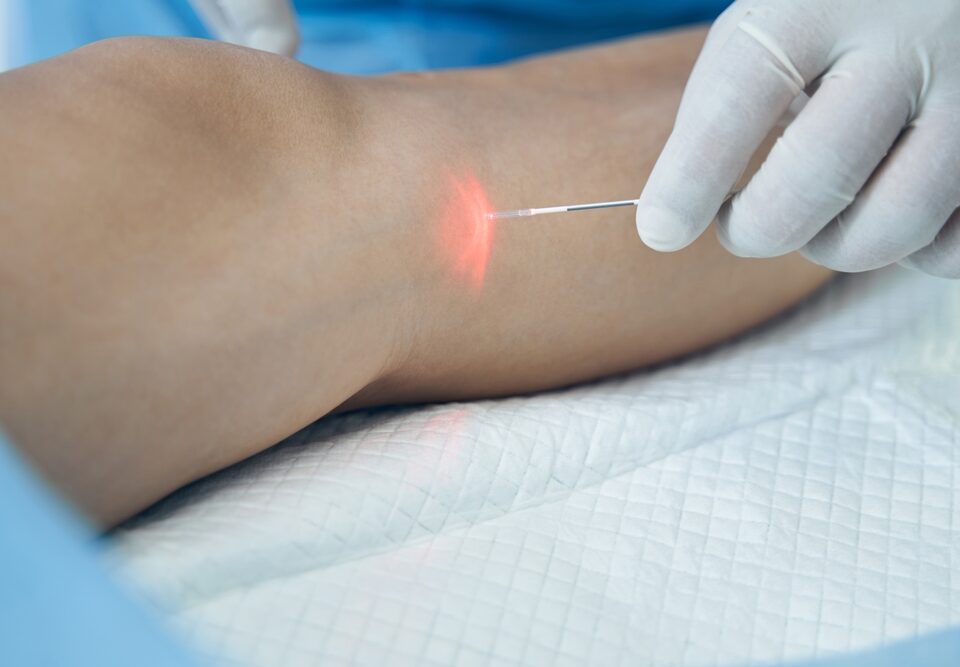
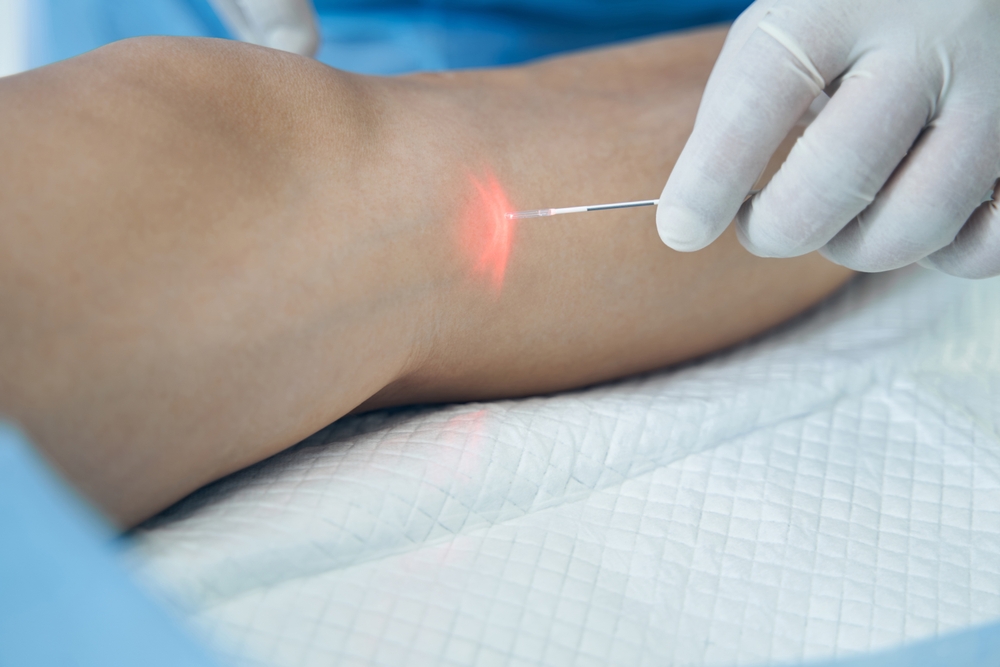
For ongoing symptoms, a vein assessment may include ultrasound to evaluate blood flow. The Vein Center of Maryland offers options including endovenous laser ablation, radiofrequency ablation, and micro-injection sclerotherapy. Suitability depends on the veins involved and your health.
Take the Next Step Toward More Comfortable Legs
You do not have to diagnose the connection between hormones and your symptoms yourself. Start by noting when discomfort appears, what improves it, and whether your skin or veins have changed.
Contact us online or give our office a call at 410-970-2314 to schedule a vein evaluation.
Discuss your symptoms, pregnancy or menopause history, and appropriate next steps. Clear answers can help you move forward with a plan that fits your needs.
Meet Your Vein Specialists: The Vein Center of Maryland
At The Vein Center of Maryland, healthy, pain-free legs begin with dedicated expertise. Our clinical team combines decades of specialized surgical leadership with advanced vascular imaging to deliver comfortable, minimally invasive vein care:
-
Yash Kumar, M.D., F.A.C.S. (Director & Board-Certified Surgeon): Diplomate of the American Board of Surgery and Fellow of the American College of Surgeons (FACS) with over 25 years of specialized experience treating varicose veins and venous disease. Dr. Kumar trained at the All India Institute of Medical Sciences and completed surgical residency at Sinai Hospital in Baltimore. He specializes in state-of-the-art, minimally invasive outpatient procedures—including Laser Venous Ablation, Radiofrequency Closure, Sclerotherapy, and Ambulatory Phlebectomy.
-
Krystal “Kit” Alcott, PA-C, RVT, RPhS (Physician Assistant & Vascular Specialist): Board-certified Physician Assistant holding dual specialized credentials as a Registered Vascular Technologist (RVT) and Registered Phlebology Sonographer (RPhS). A graduate of Nova Southeastern University, Kit has performed thousands of vascular ultrasounds and minimally invasive vein treatments. Beyond clinical care, she actively trains healthcare providers and sonographers nationwide in advanced vascular diagnostics and ultrasound guidance.