

Can Spider Veins Go Away on Their Own?
July 27, 2026
Are Spider Veins a Sign of Poor Circulation?
July 27, 2026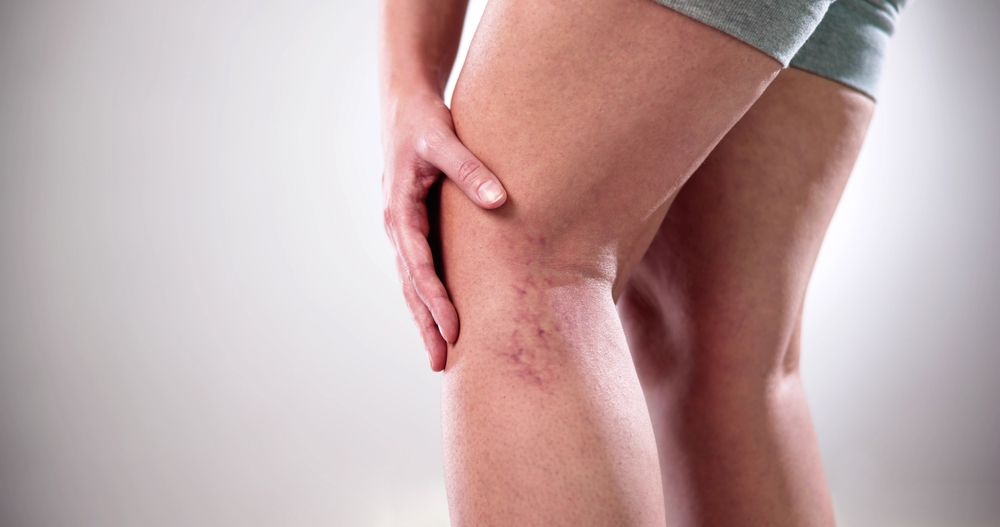
Exercise is one of the most frequently recommended lifestyle tools for vein health, and for good reason. The connection between movement and circulation is direct and well established.
Whether exercise can help reduce the appearance of leg veins depends on what is driving the visibility. For some patients it makes a measurable difference; for others, it manages symptoms without reversing what is already visible.
This post covers how exercise affects venous circulation, which types of movement help the most, and when professional treatment for varicose veins is the clearer path forward.
Can Exercise Help Reduce the Appearance of Leg Veins That Are Already Visible?
Exercise supports vein health and can slow the progression of spider veins, but it rarely eliminates vessels that have already formed. The vein wall changes that cause visibility are structural.
What regular movement does accomplish is reducing the pressure that drives further damage. Patients who exercise consistently often find that symptoms like aching and heaviness improve even when the visible veins remain.
This is why exercise is best understood as a prevention and management tool rather than a treatment. It preserves what is healthy and slows what is progressing.
How Movement Supports Healthy Vein Function
Veins rely on the calf muscle to push blood upward against gravity. Every contraction of that muscle compresses the deep veins in the lower leg and drives blood toward the heart.
Research on venous return confirms that the calf muscle pump is one of the primary mechanisms keeping circulation healthy in the lower extremities. Sedentary habits reduce its efficiency significantly.
When the pump underperforms, blood stagnates in the lower legs. That stagnation increases pressure on vein walls over time.
Which Exercises Benefit Leg Vein Health the Most?
Walking is the single most effective exercise for venous circulation. It activates the calf muscle continuously and keeps blood moving without placing excessive strain on the venous system.
Cycling and swimming both provide strong circulatory benefits while reducing the gravitational load on the legs. These are particularly useful for patients who experience discomfort during higher-impact activity.
Calf raises, ankle rotations, and leg lifts are simple exercises that can be done at a desk or during long periods of sitting. They keep the calf muscle pump active even without full body movement.
When Exercise Is Not Enough
Some vein changes are driven entirely by genetics, hormonal factors, or underlying valve failure that lifestyle alone cannot correct. In these cases, movement helps but does not resolve the issue.
Varicose veins with underlying valve dysfunction require treatment to address the root cause. Exercise without treatment leaves the source of the problem intact.
Chronic venous insufficiency is a progressive condition when left unmanaged. Combining regular exercise with professional evaluation and treatment when appropriate produces the best long-term outcomes.
Exercises to Avoid if You Have Visible Leg Veins
Patients asking can exercise help reduce the appearance of leg veins driven by valve failure will find the answer is more nuanced than a simple yes or no.
High-impact activities that involve prolonged standing or heavy lifting can increase pressure on already compromised veins. Weightlifting with significant breath-holding and straining is particularly hard on the venous system.
Running on hard surfaces for long distances can also worsen symptoms in patients with advanced venous insufficiency. However, low-impact alternatives produce comparable cardiovascular benefits with less venous strain.
A vein specialist can help you understand which activities support your circulation and which may accelerate vein changes based on your specific anatomy.
The Appearance of Leg Veins Doesn’t Have to Be a Concern Anymore!
Exercise is one piece of a larger picture when it comes to managing visible leg veins.
The Vein Center of Maryland offers free evaluations to help patients understand what is driving their vein changes and what options are available.
Contact us online or call our office at 410-970-2314 to schedule your consultation for leg veins today.